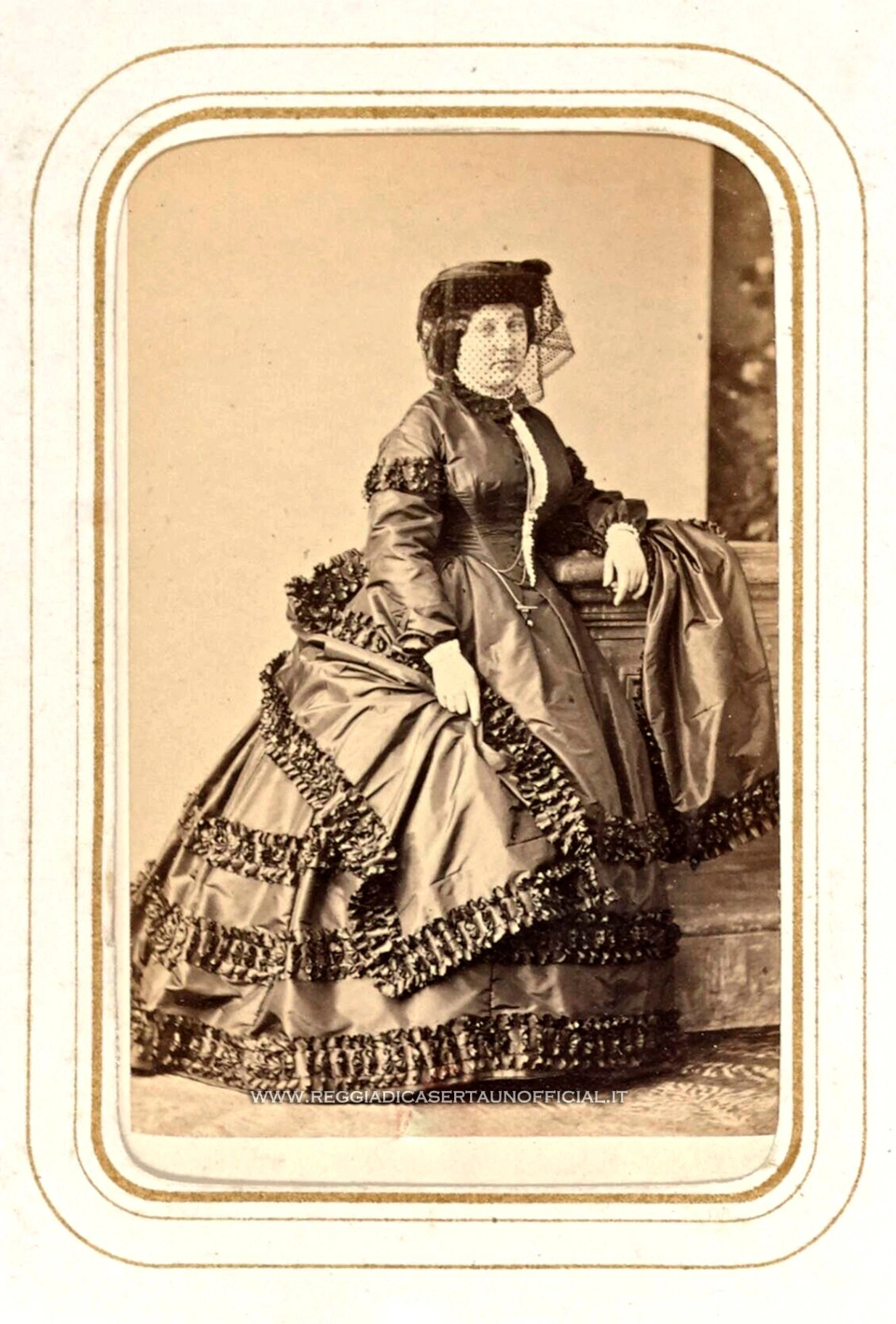
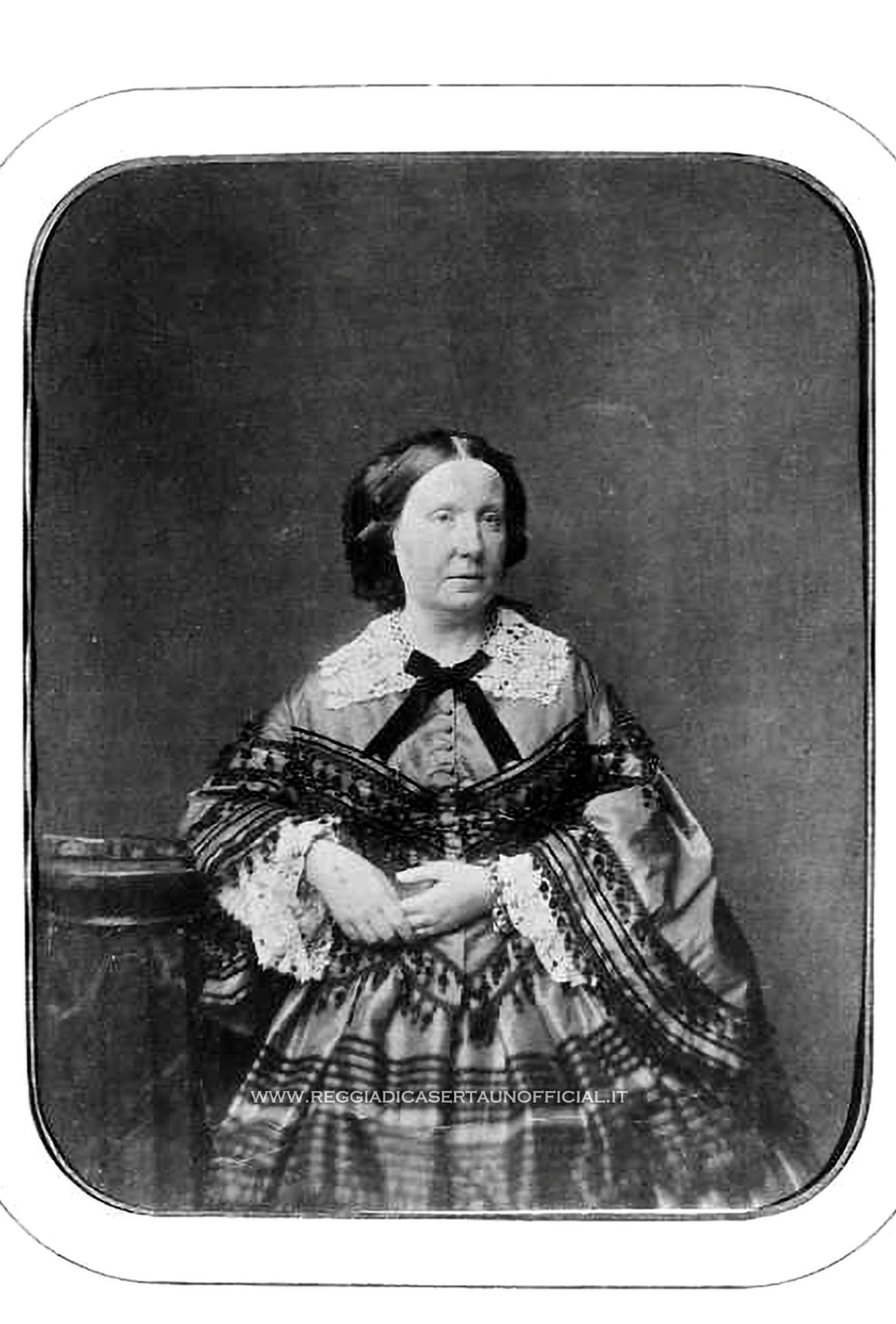
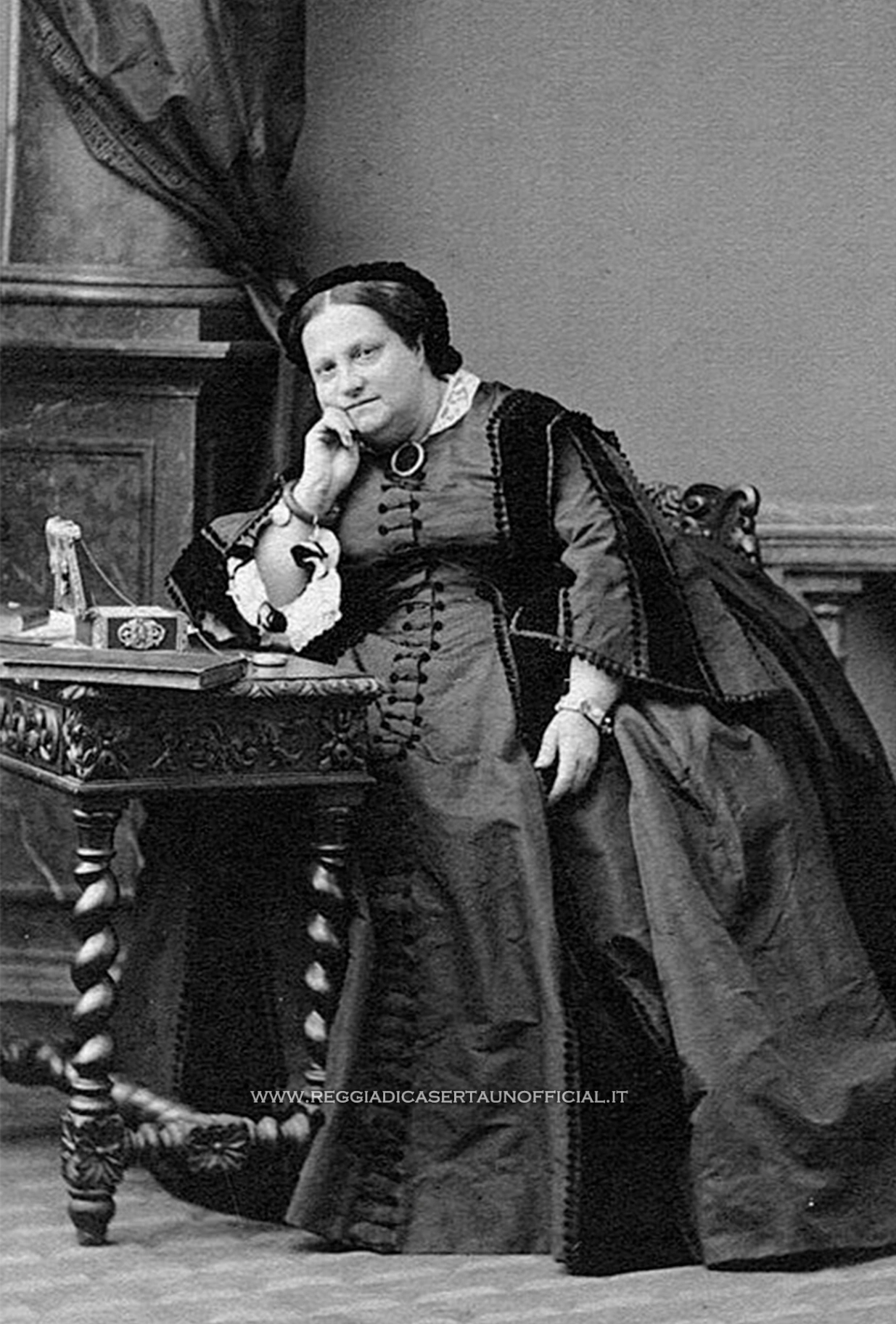
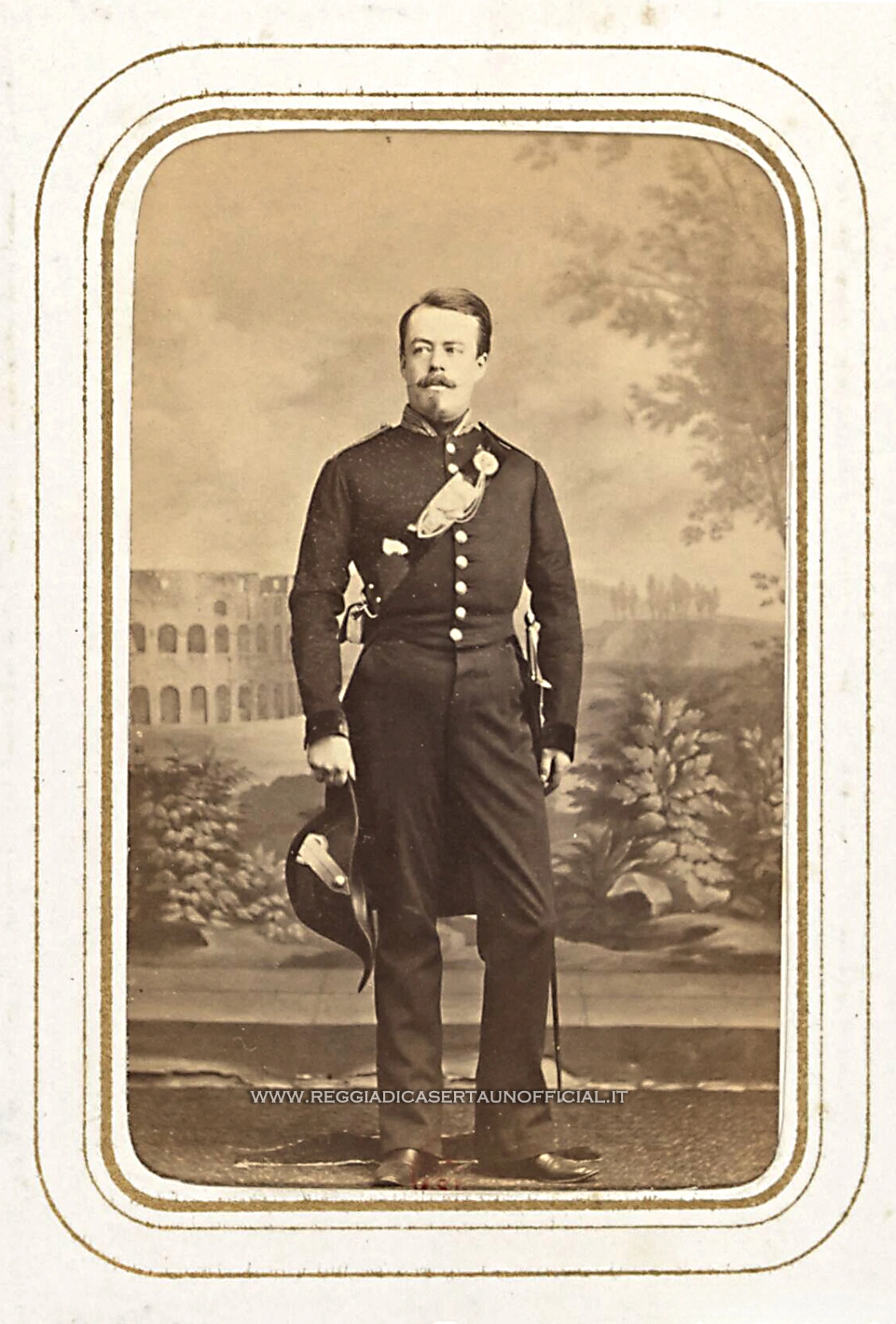
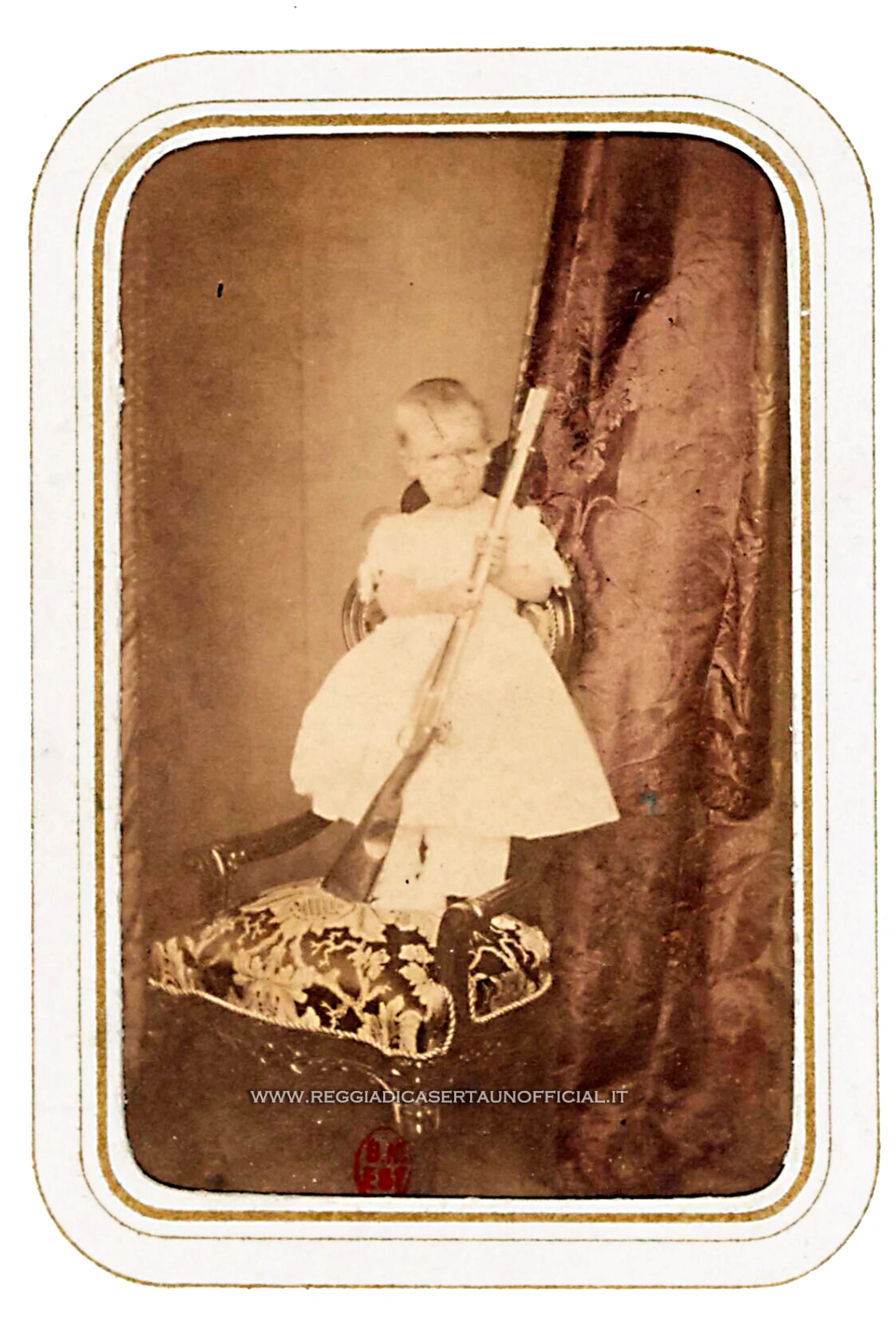
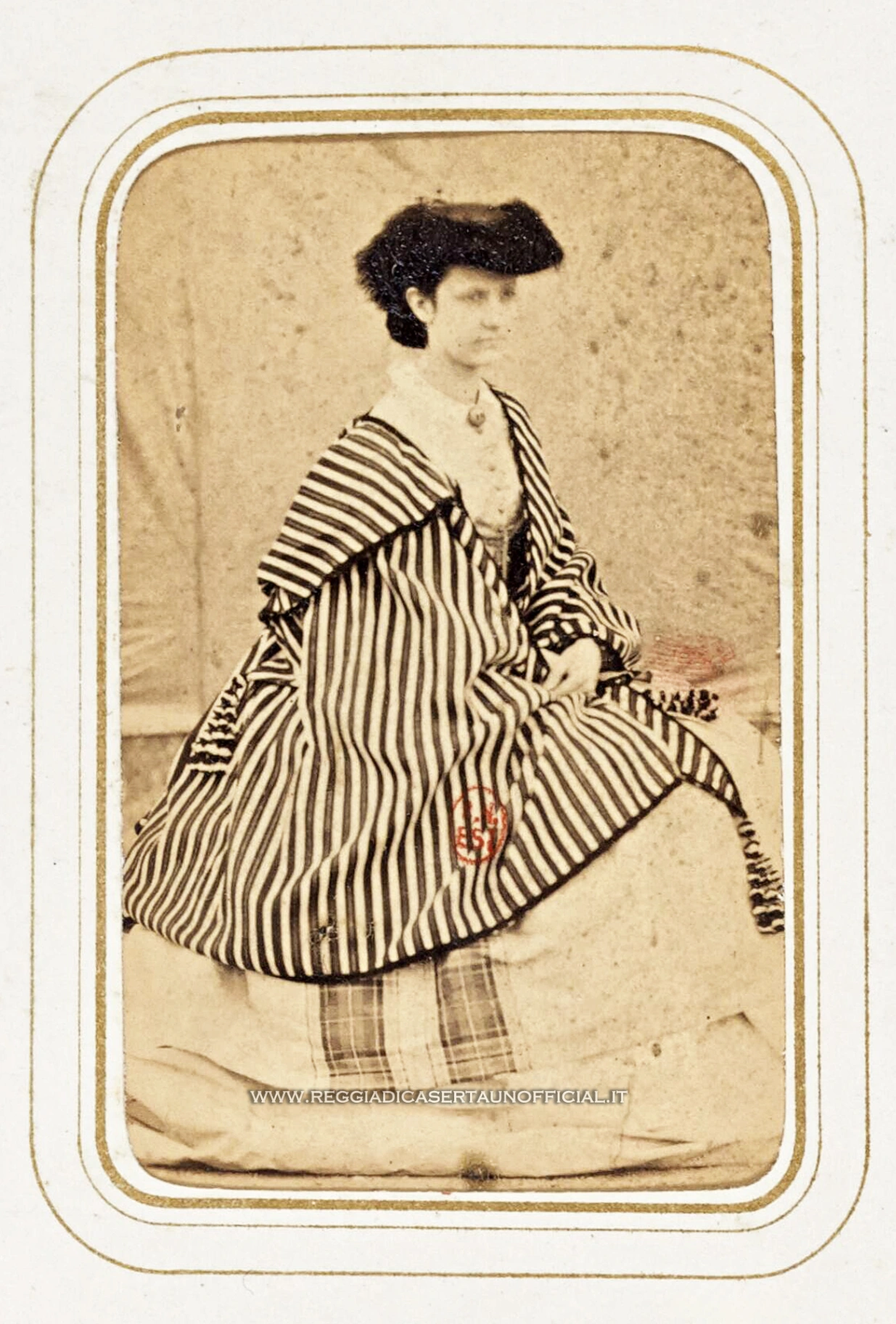
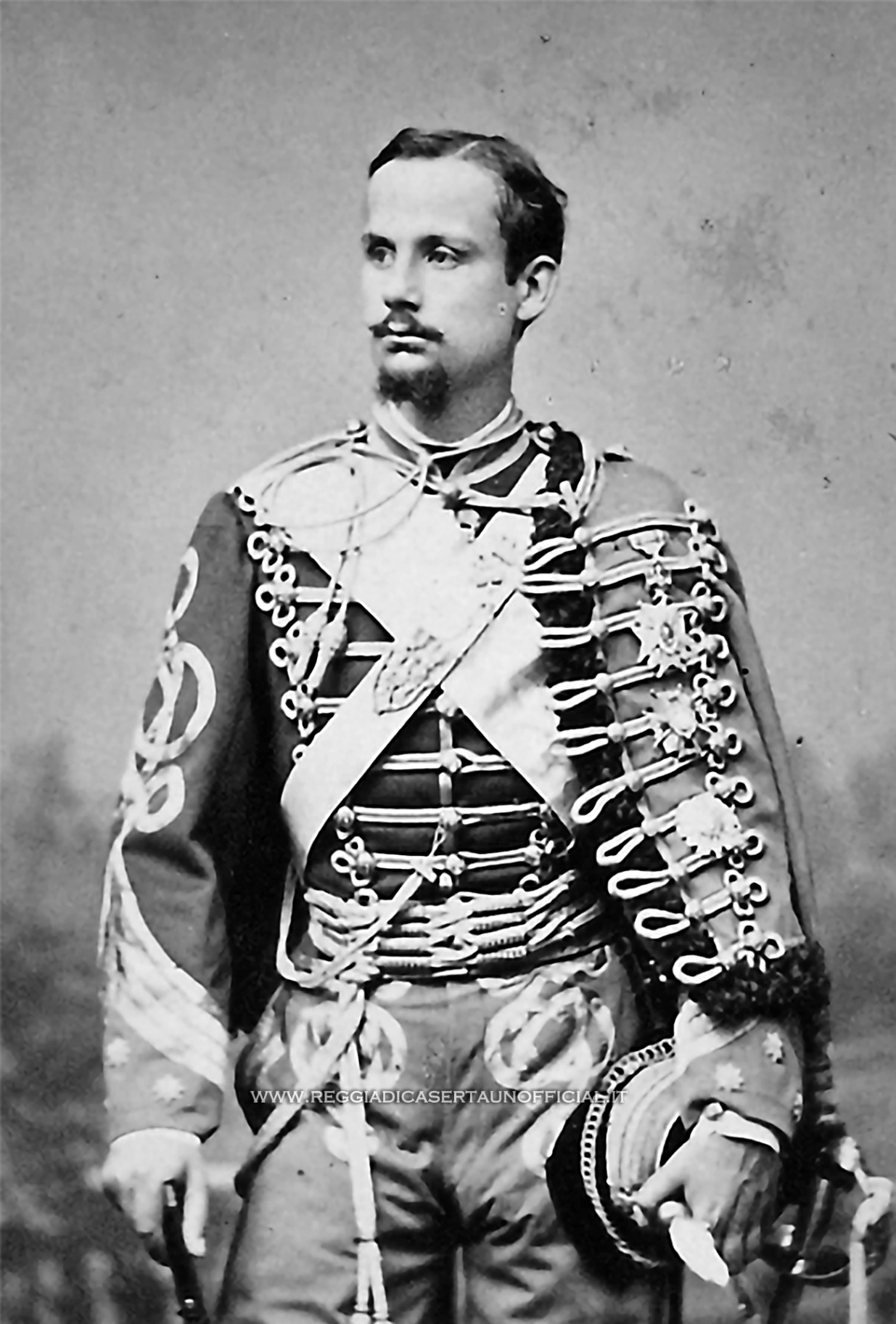
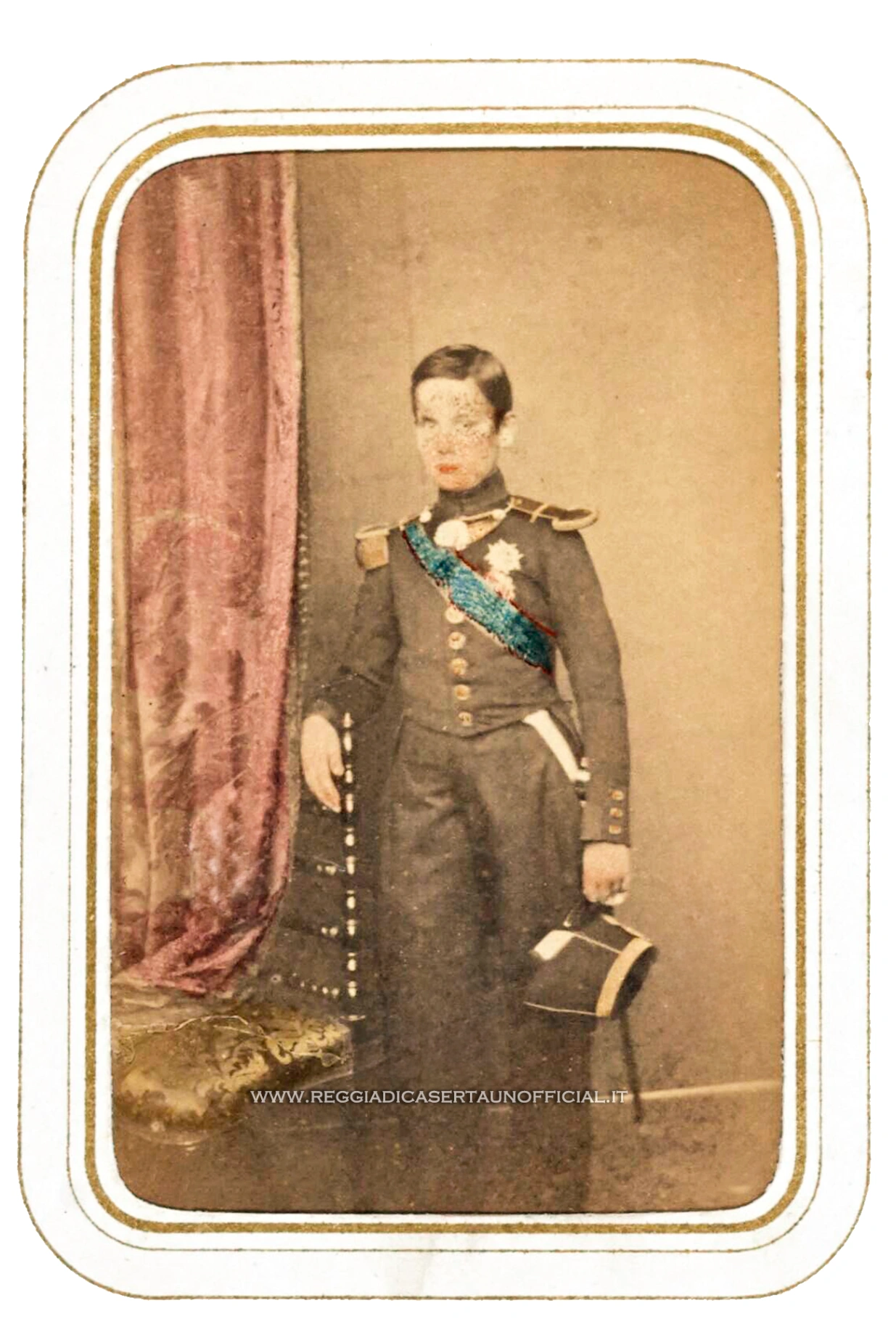
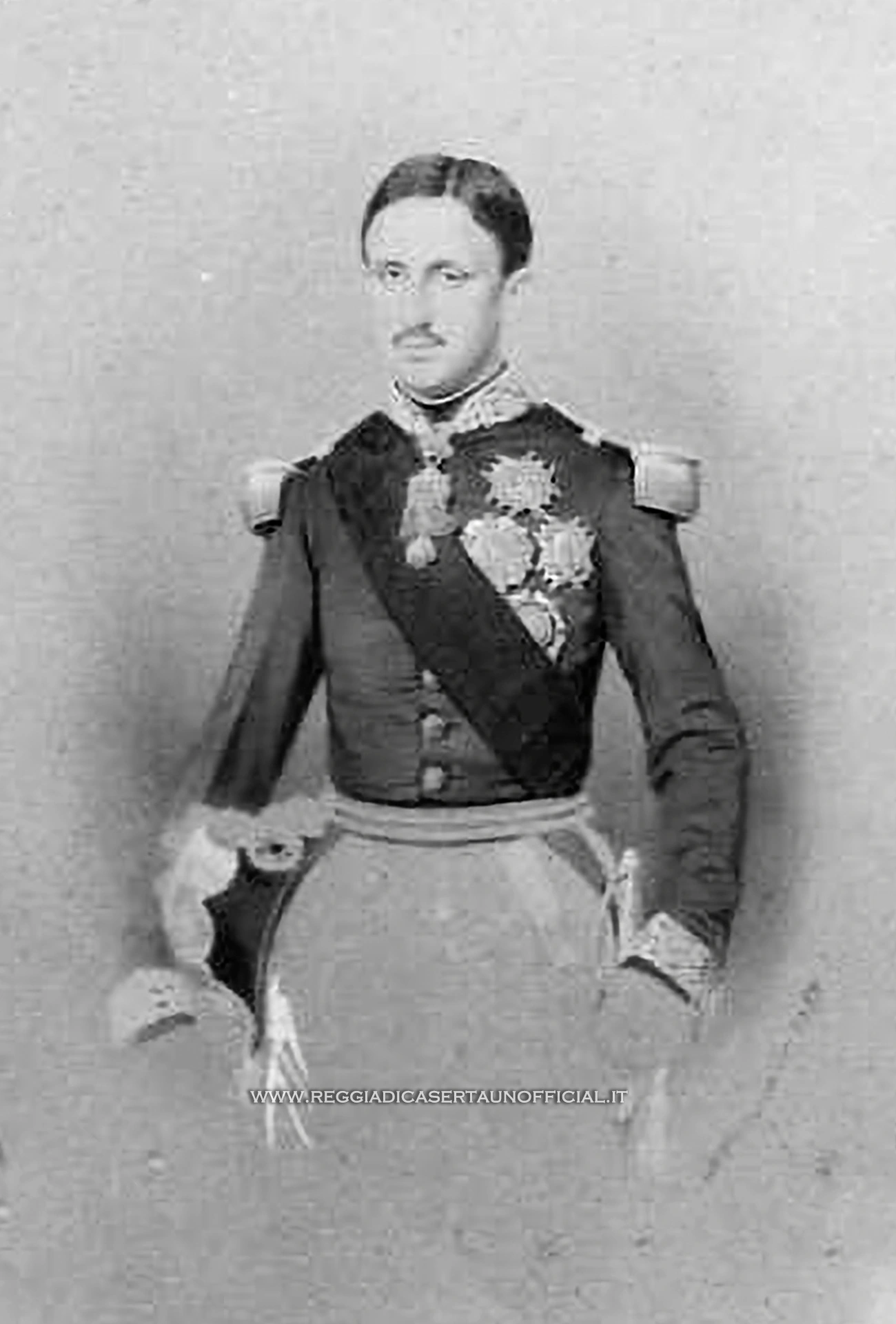
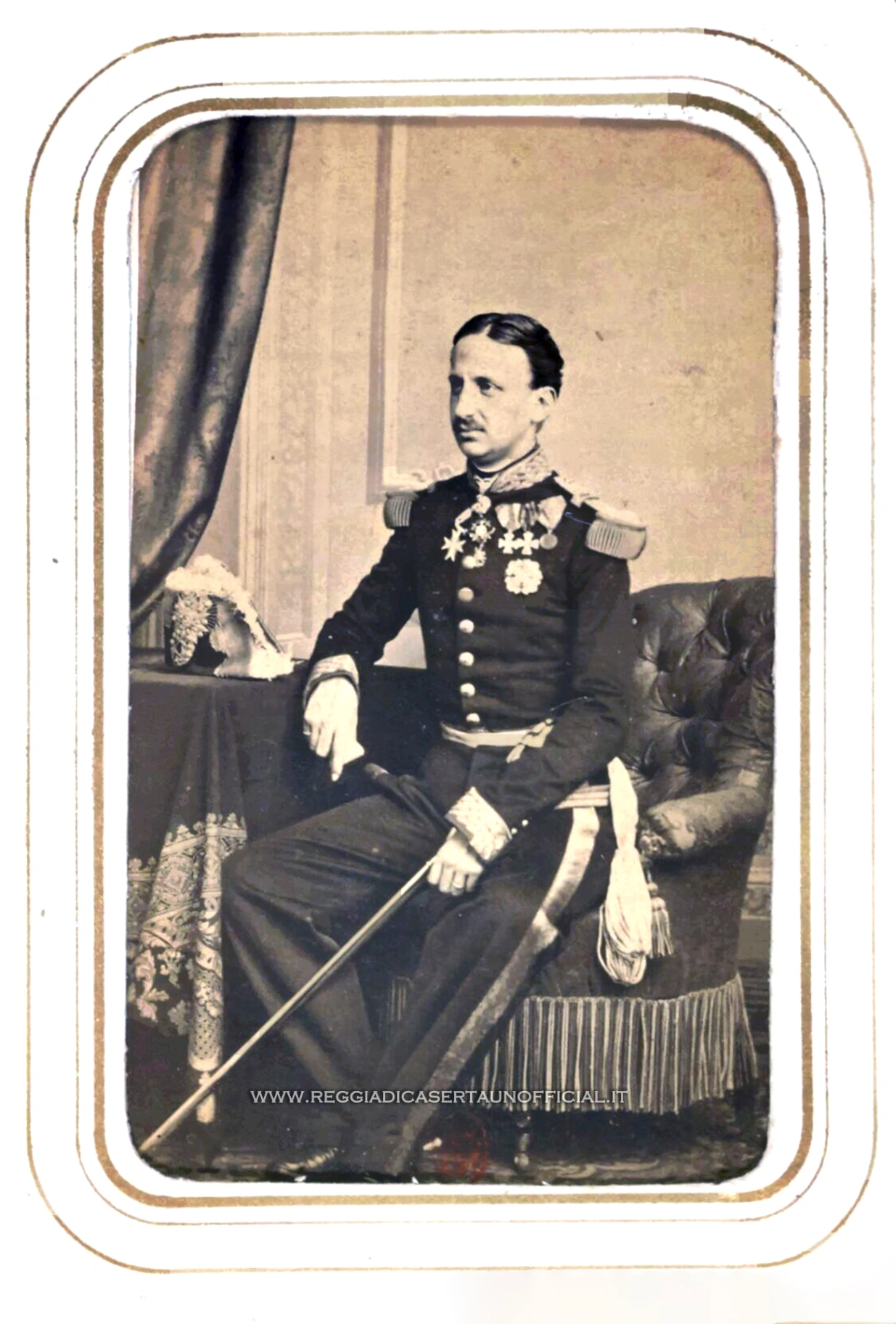
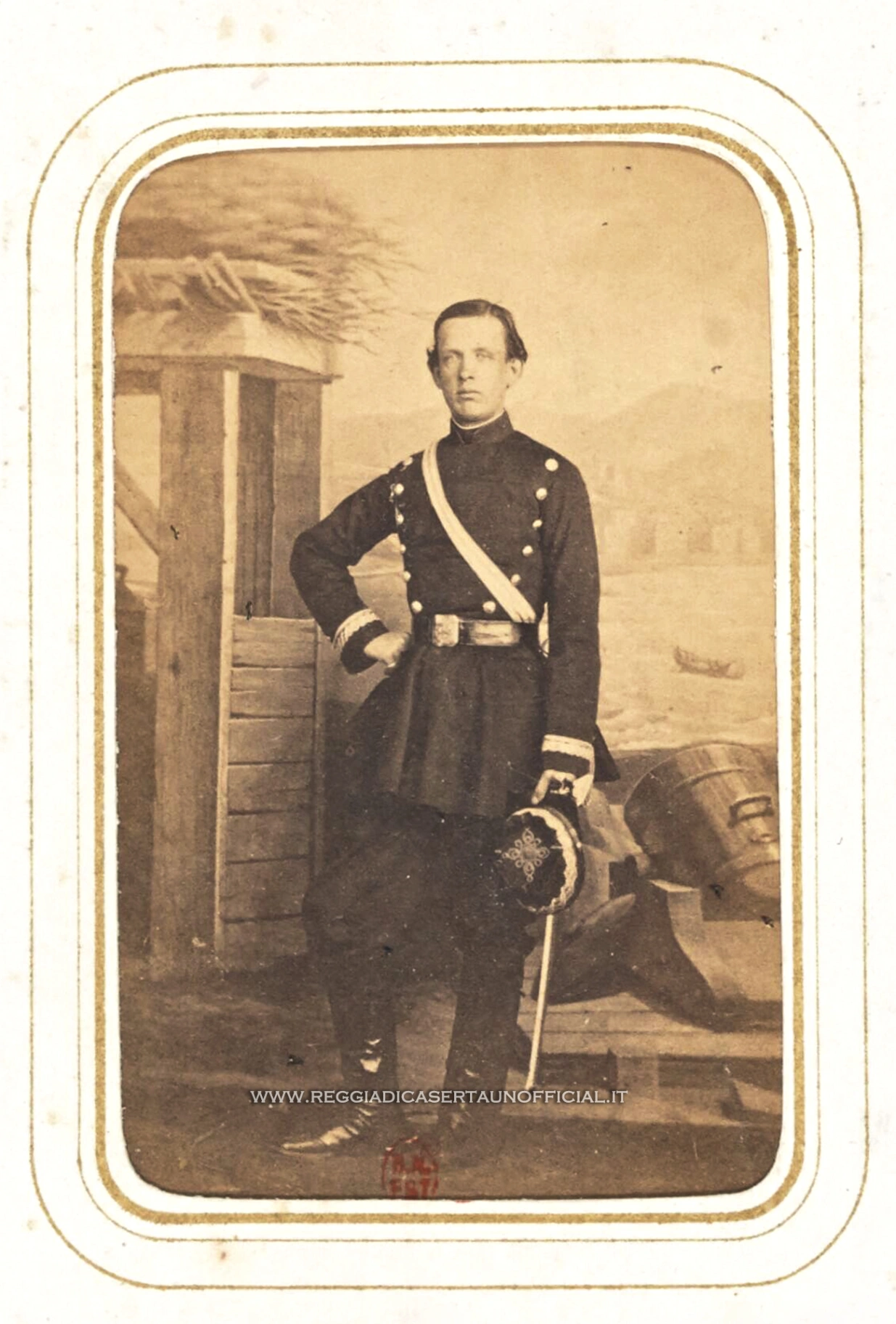
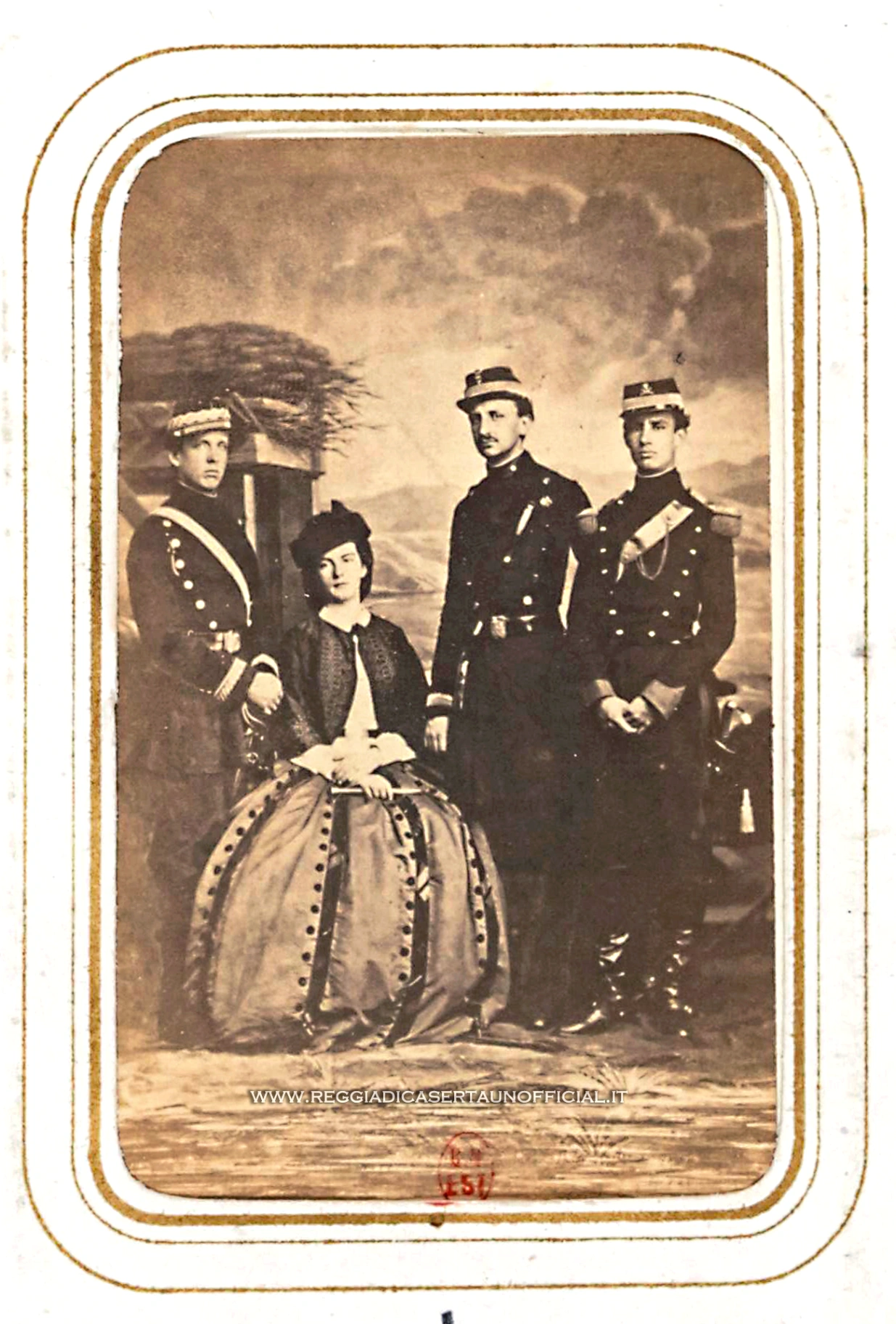
Fotografia vintage della famiglia reale di Re Francesco II di Borbone Due Sicilie

Vintage photographs of the Bourbons of the Kingdom of the Two Sicilies

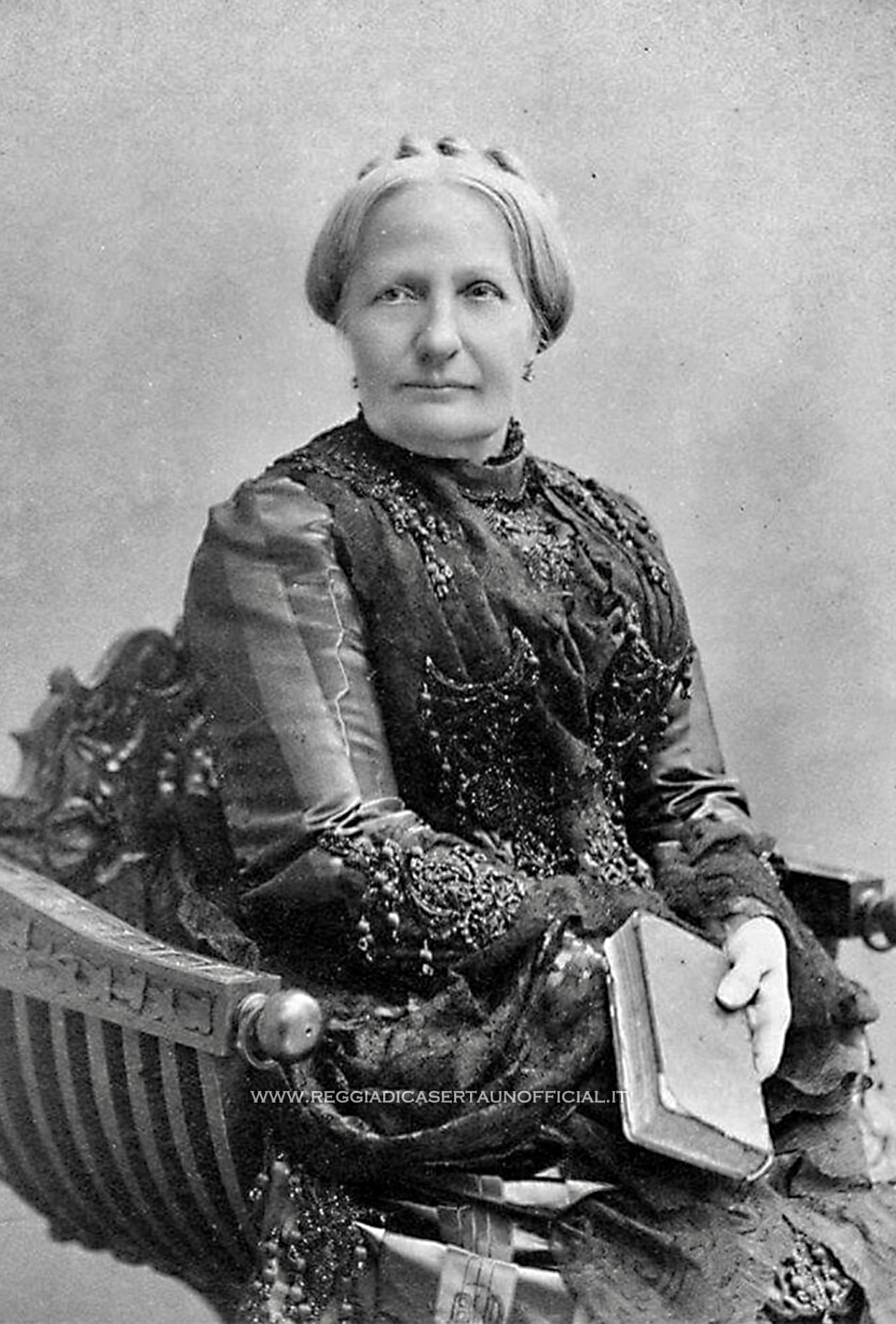
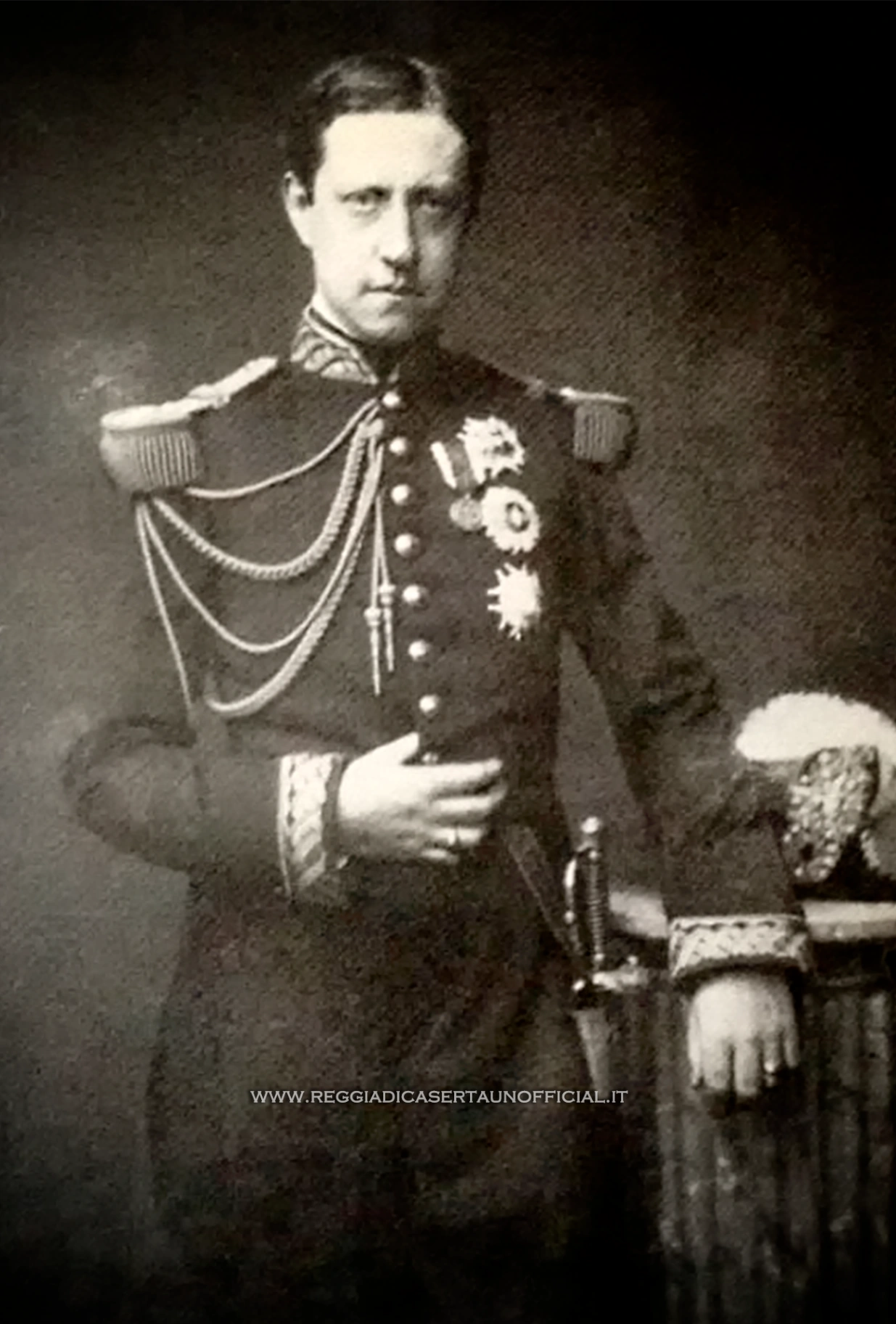
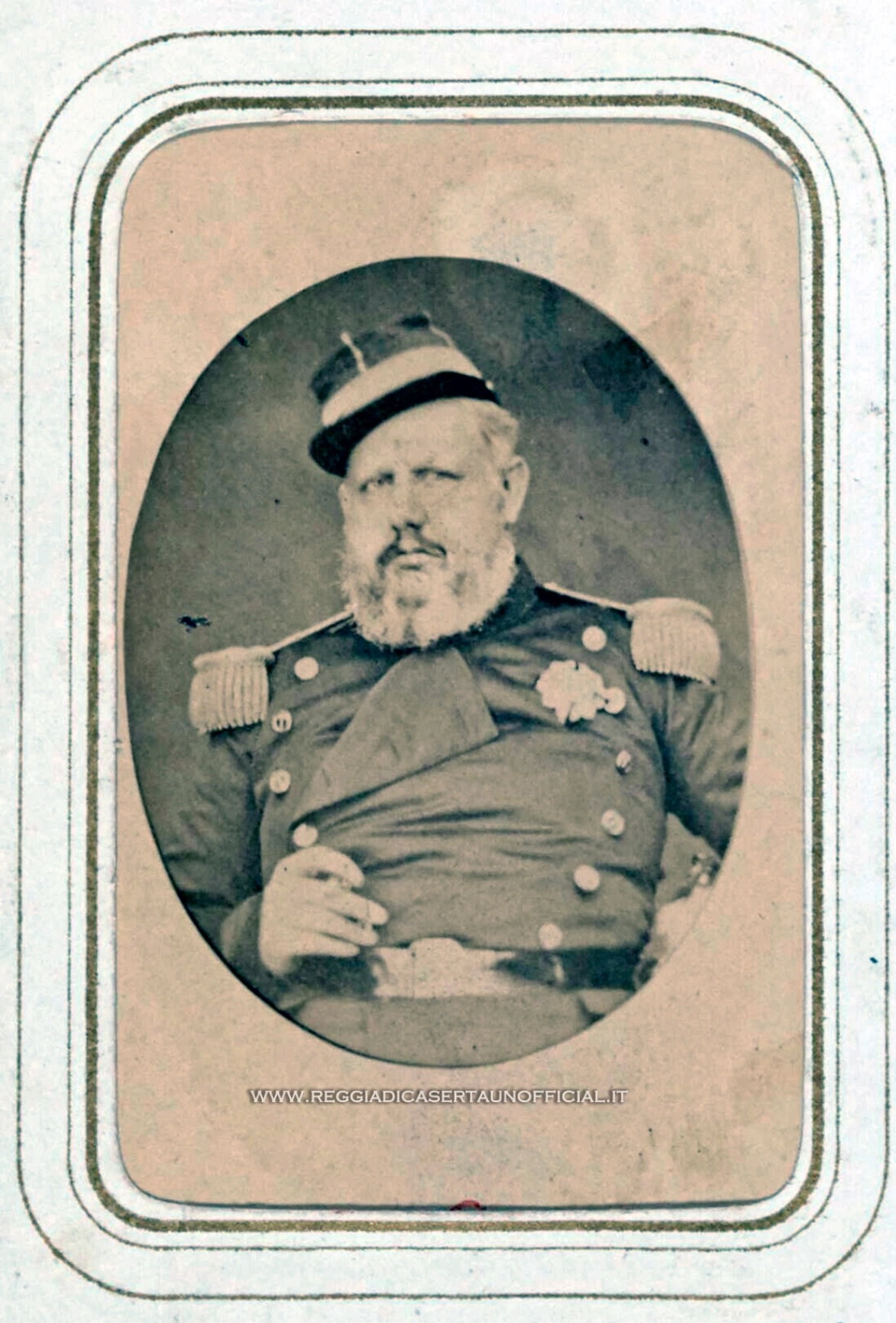
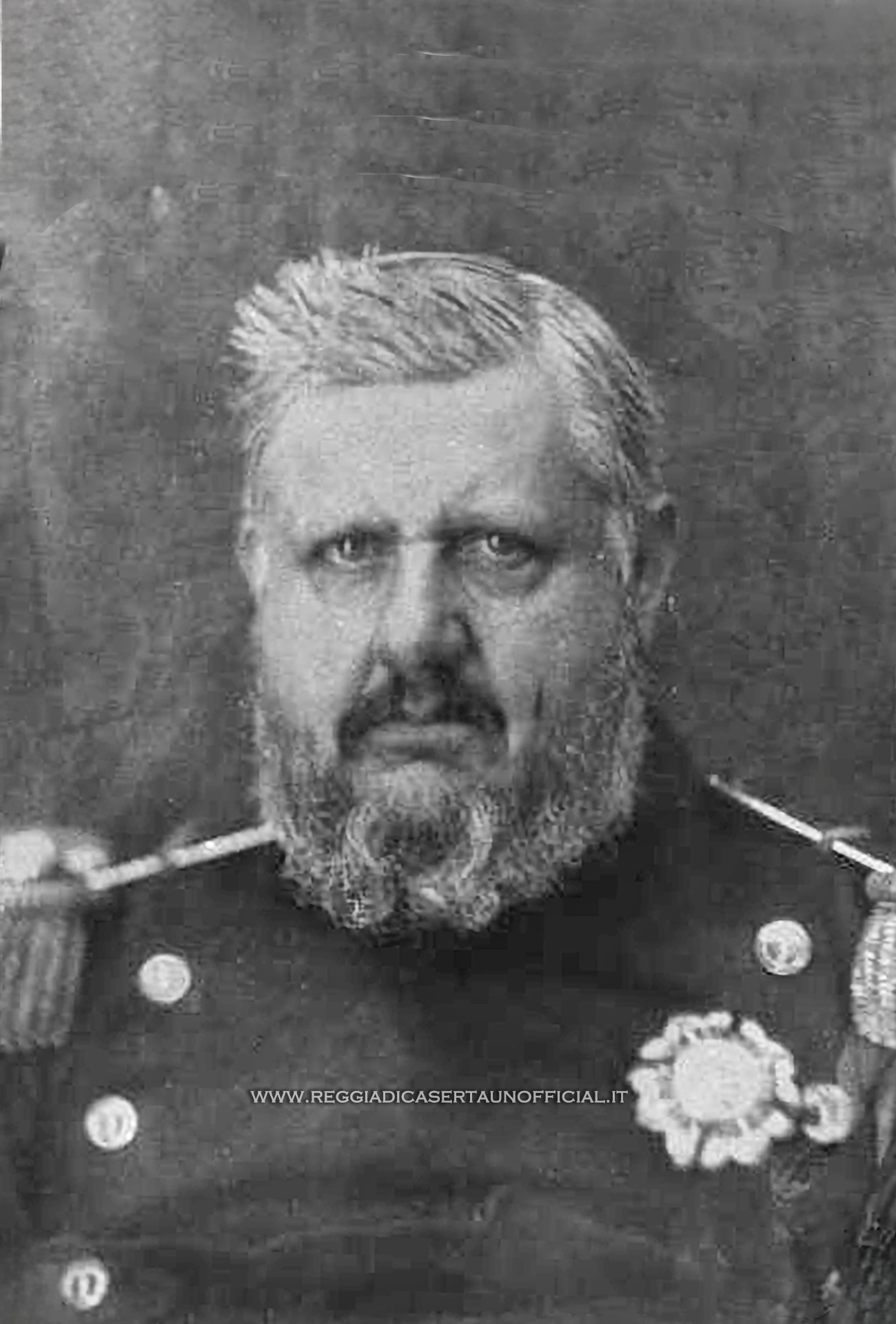
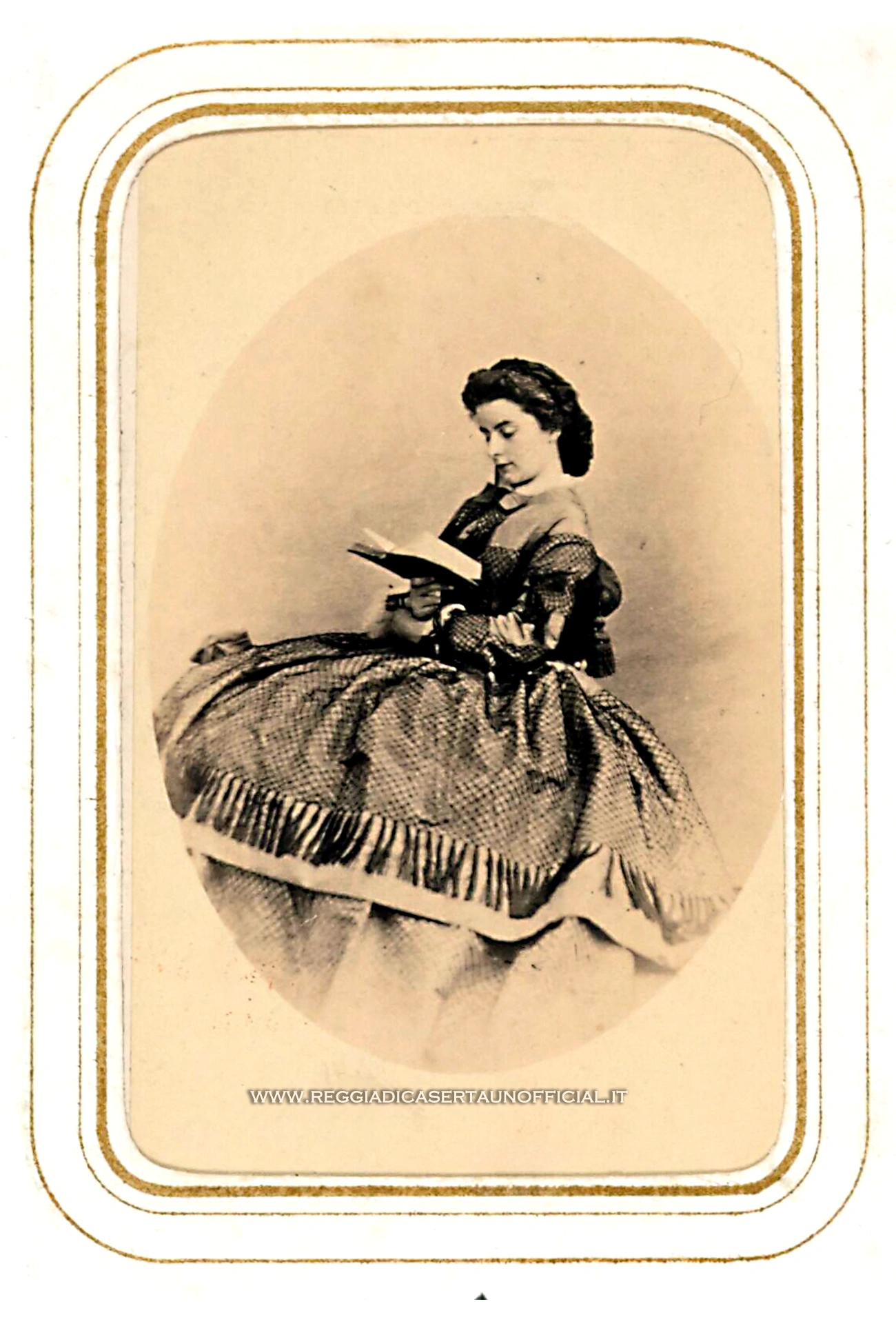
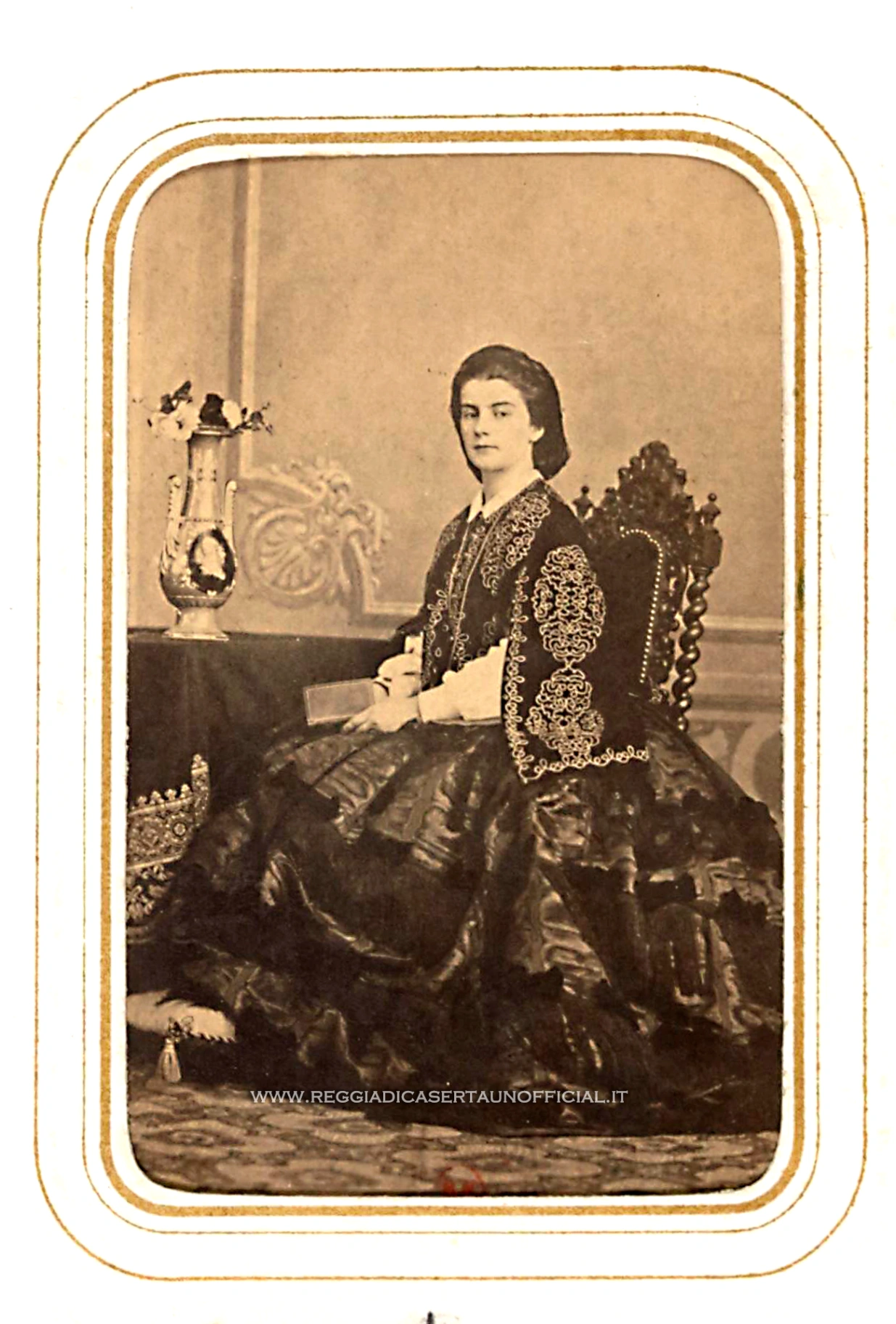
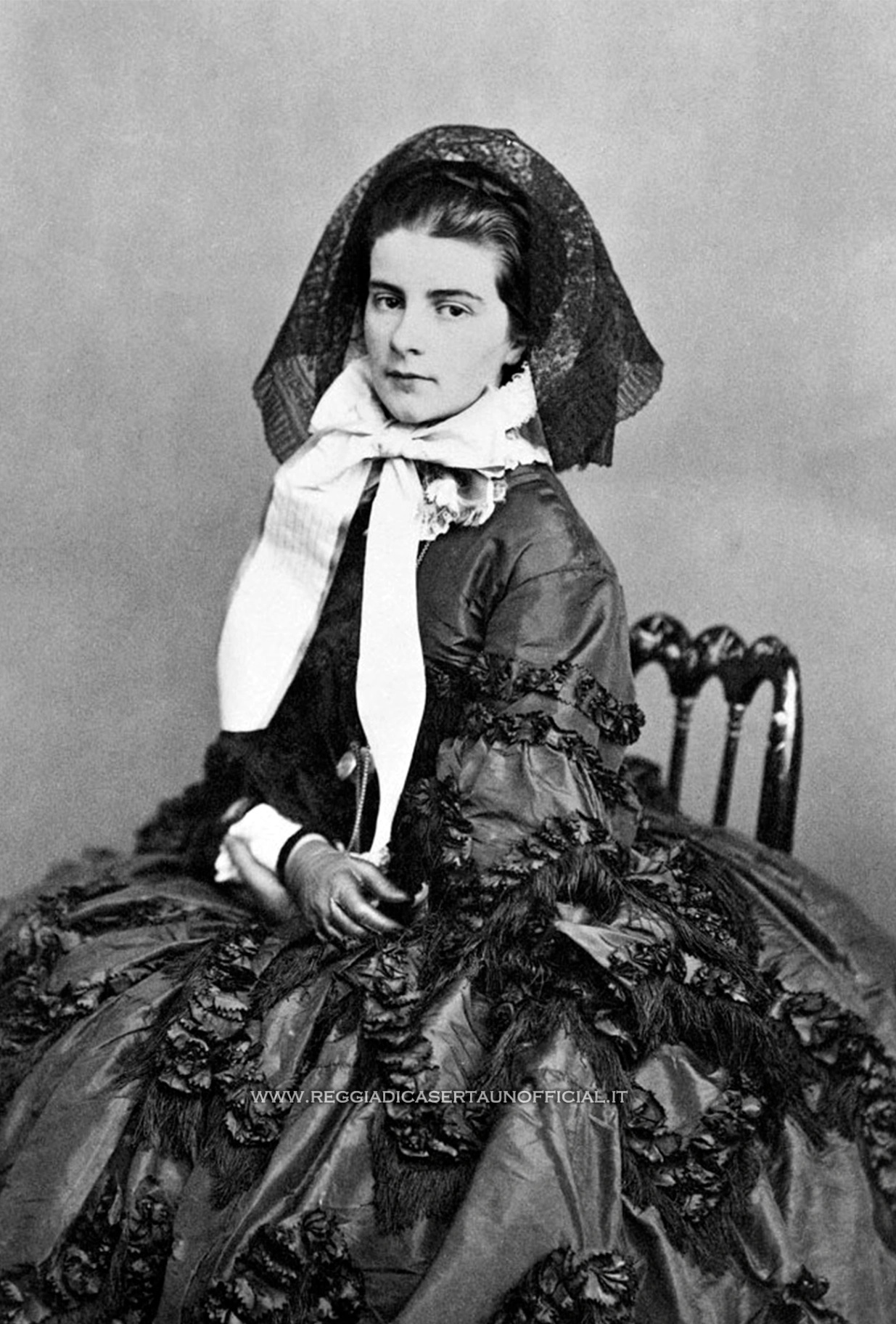
Vintage photographs of the House of Bourbon-Two Sicilies offer an authentic and immediate perspective on the history of this illustrious dynasty. While official portraits present a formal interpretation, photographs reveal the true appearance of its members. These images depict both individual family members and family groups—including those who, through strategic marriages, became part of other ruling dynasties. Each photograph is accompanied by brief historical notes.

Photography became available to the public in 1839; therefore, no photographs of the Bourbons exist from prior to that time.

The family of King Francis I of Bourbon-Two Sicilies

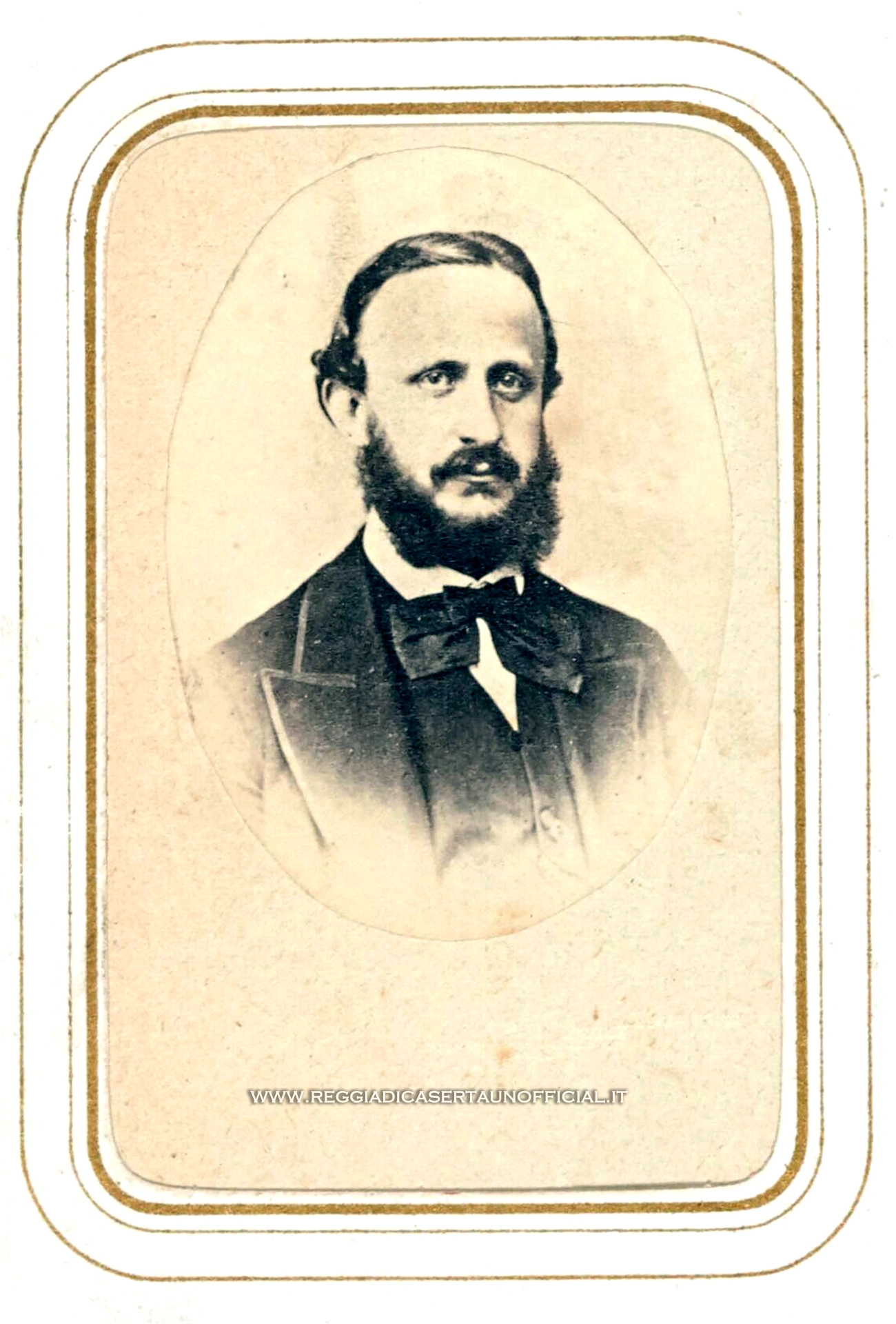
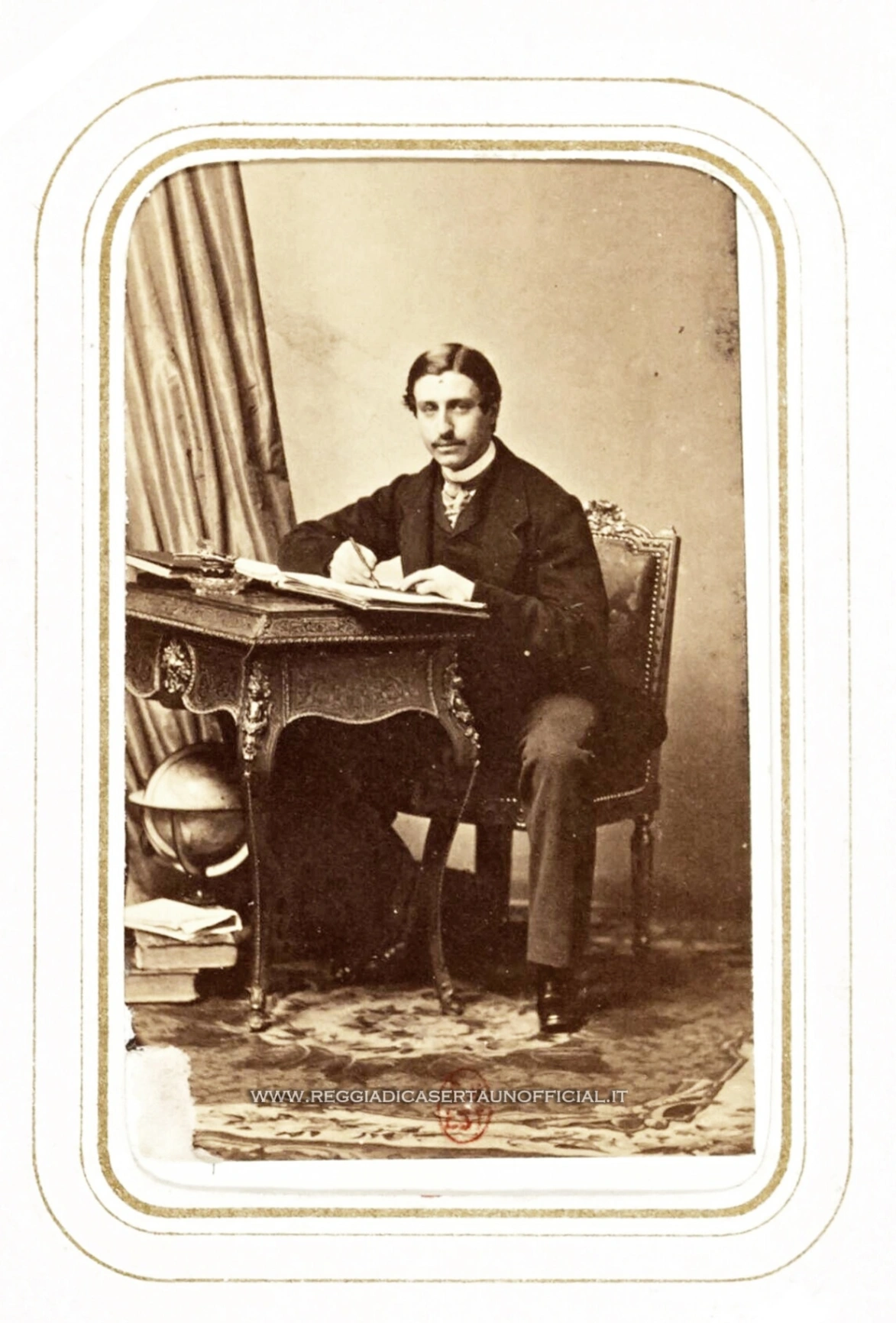
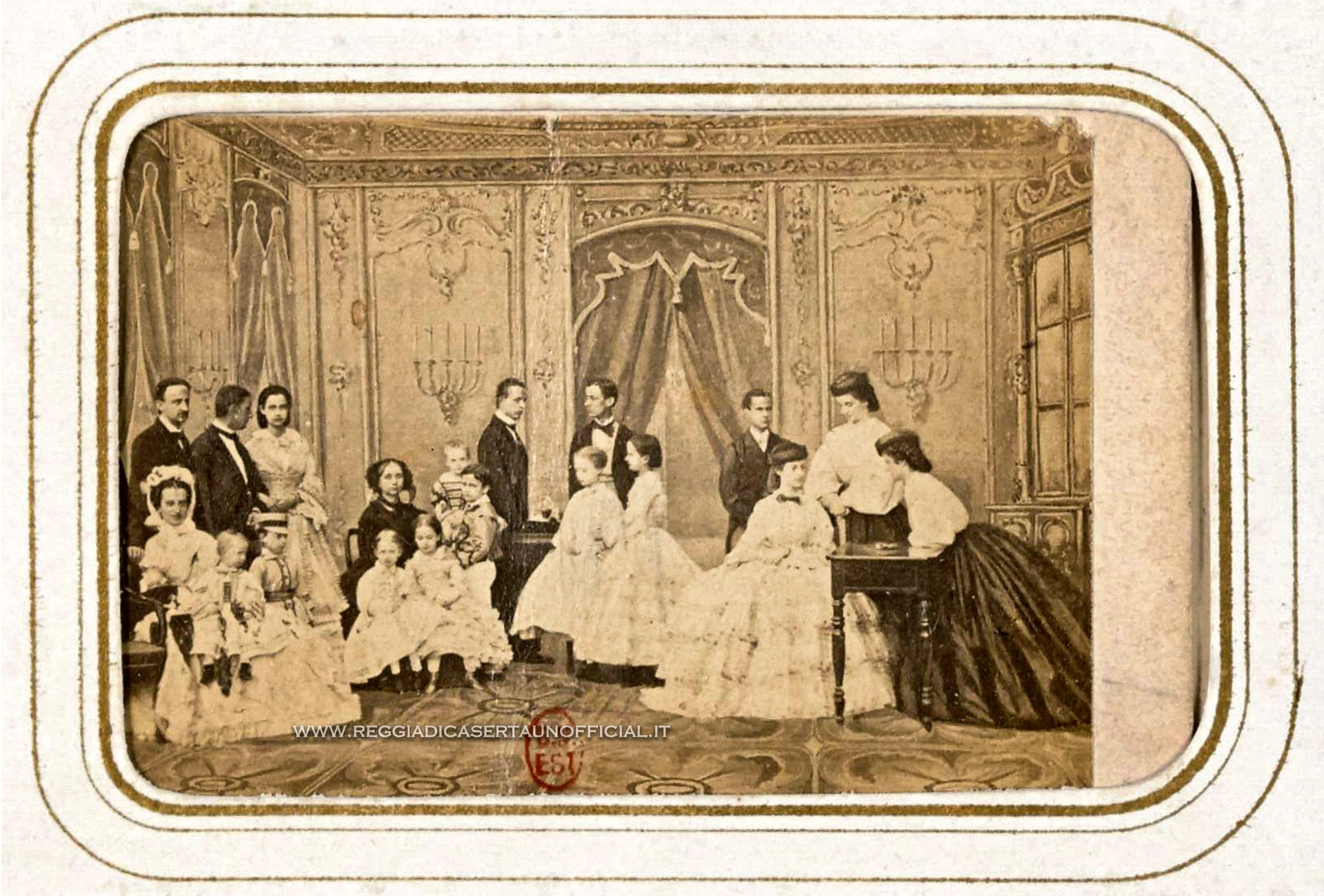
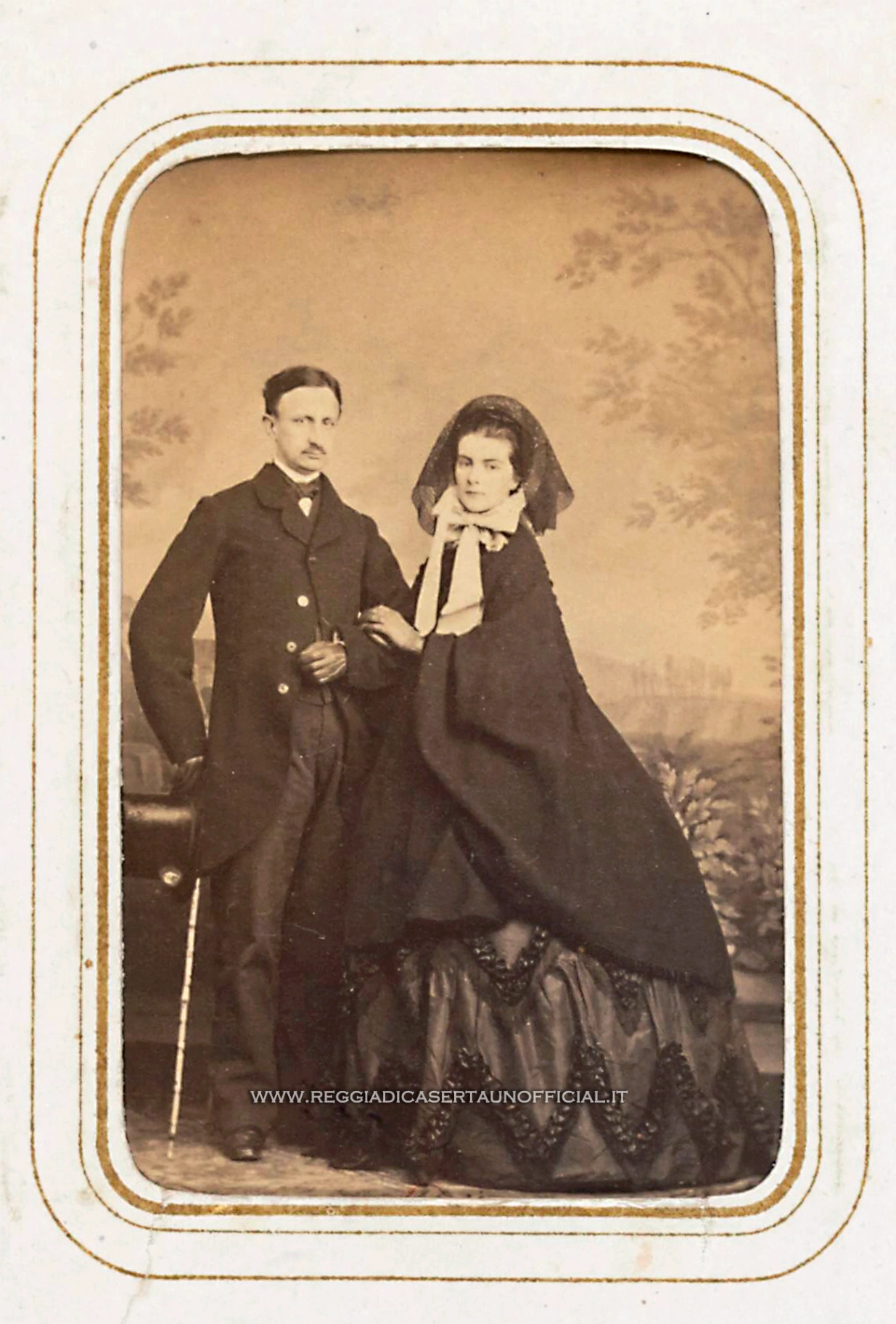
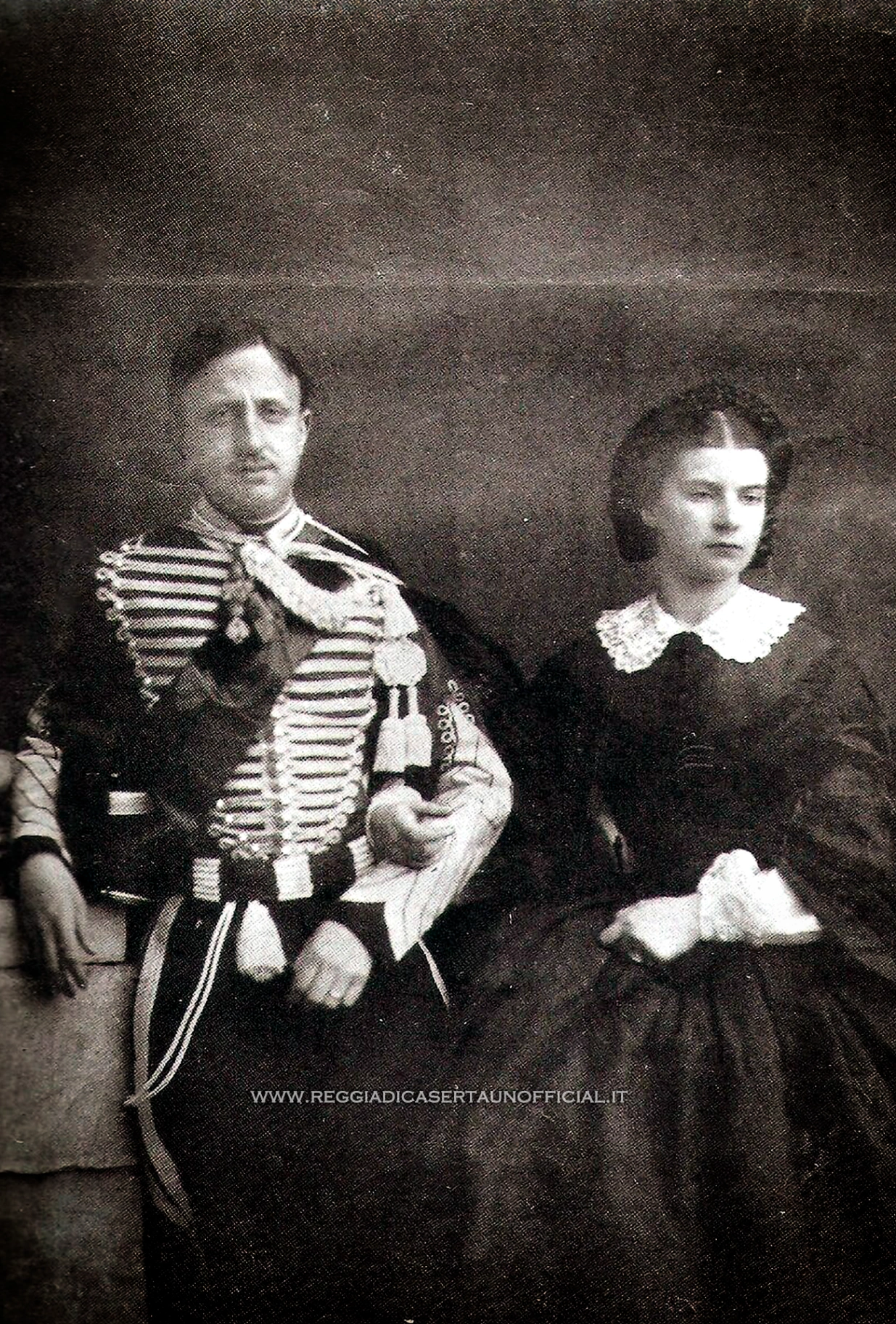
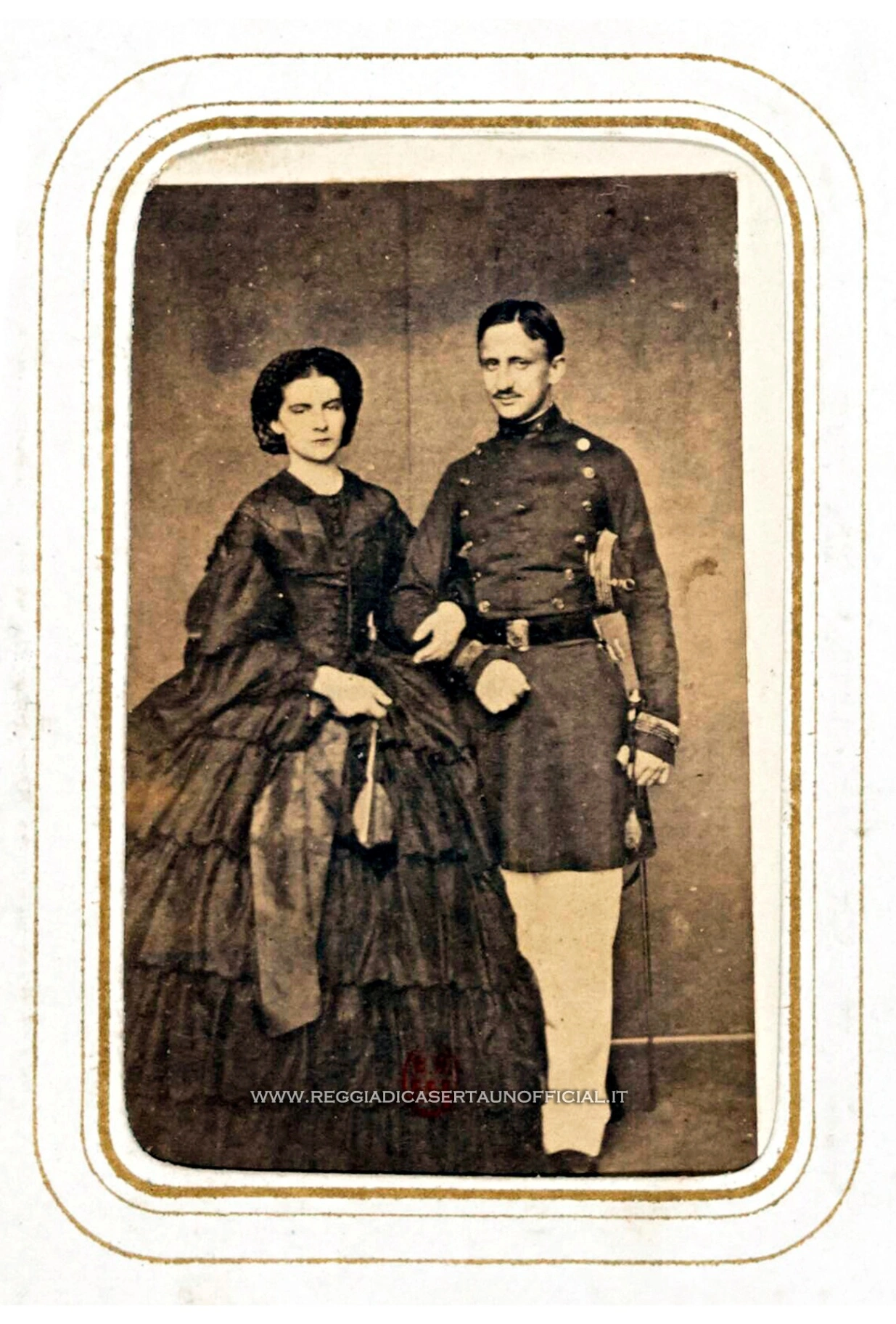
Carlo Ferdinando of Bourbon-Two Sicilies, Prince of Capua (second son, with his wife Penelope Smith).

Carlo Ferdinando of Bourbon-Two Sicilies (Palermo, November 10, 1811 – Turin, April 22, 1862), Prince of Capua.

Born in Palermo in 1811, he was a member of the Royal House of Bourbon-Two Sicilies and a vice-admiral in the Royal Navy. The son of Francis I and Maria Isabella of Spain, his childhood was marked by the Napoleonic occupation of the Kingdom of Naples.

After an undistinguished period of study, Carlo embarked on a military career, receiving appointments from his father and his brother, Ferdinand II. His political ambitions surfaced through his candidacy for the Greek and Belgian thrones, yet his relationship with Ferdinand remained strained, ultimately leading to a controversial marriage to Penelope Smith and forced exile. Despite these challenges, Carlo led a nomadic life across Europe.

Following the death of Ferdinand II, he sided with the new Italian government but received no financial restitution. He died in Turin in 1862, leaving his family under the protection of the Royal House of Savoy; while the House of Savoy provided noble titles and support, the family’s life remained fraught with hardship.

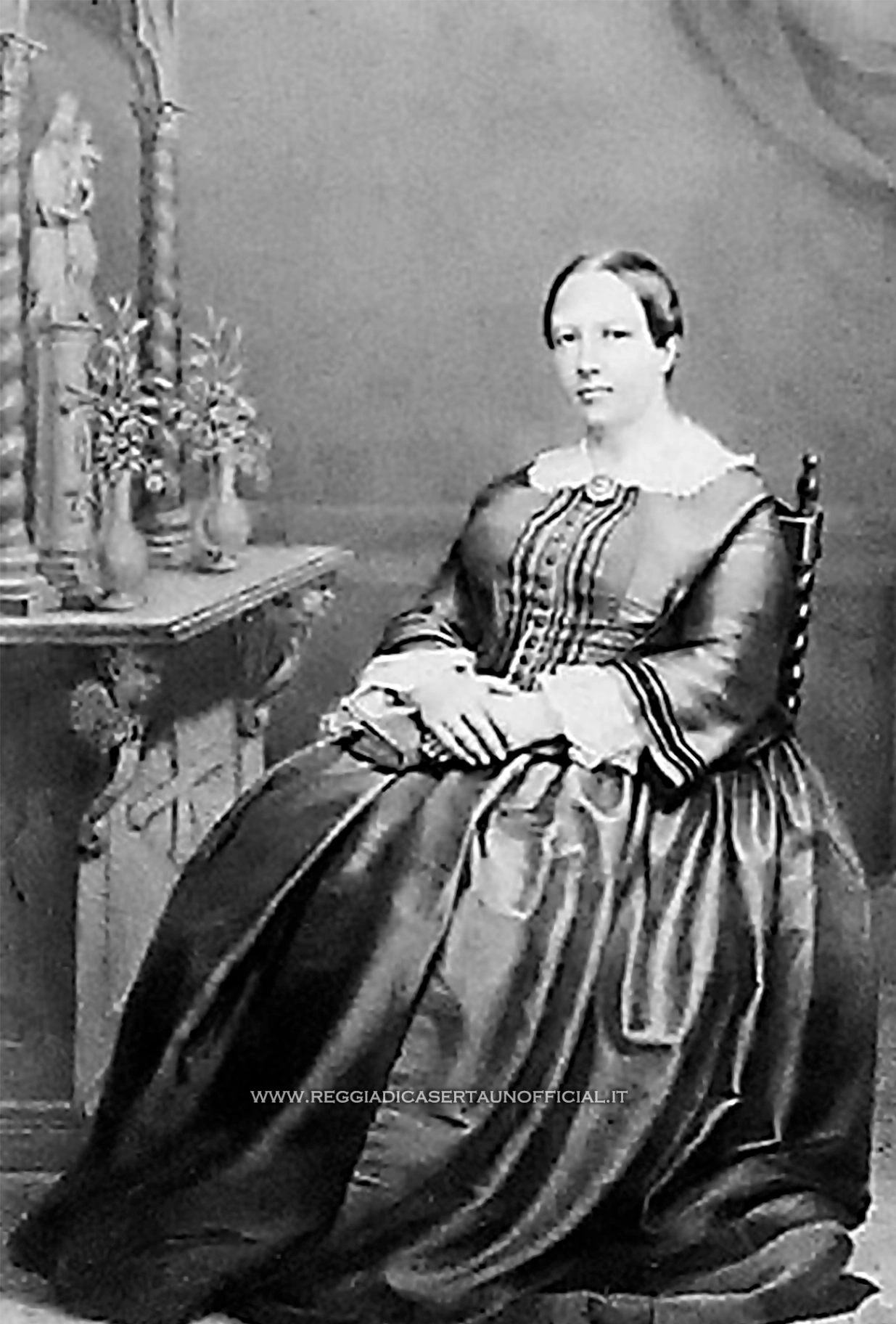
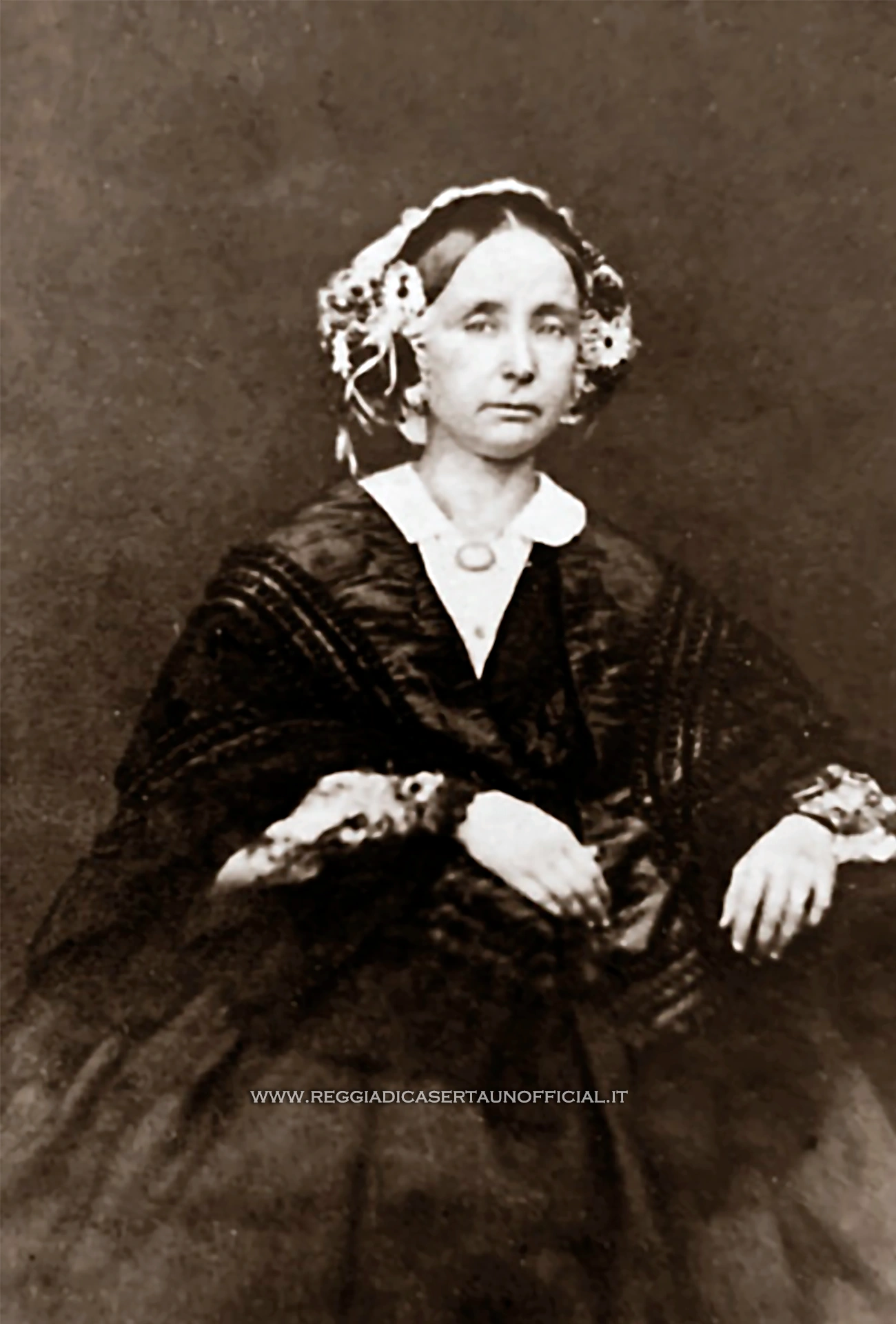
Penelope Smith, Duchess of Villalta (wife of Carlo Ferdinando)

A woman of non-noble birth became the wife of Charles Ferdinand of Bourbon-Two Sicilies, Prince of Capua. The couple fled to Scotland, where they married despite the opposition of King Ferdinand II, his brother.

Maria Carolina Ferdinanda Luisa of Bourbon-Two Sicilies, Duchess of Berry (eldest child from the first marriage)

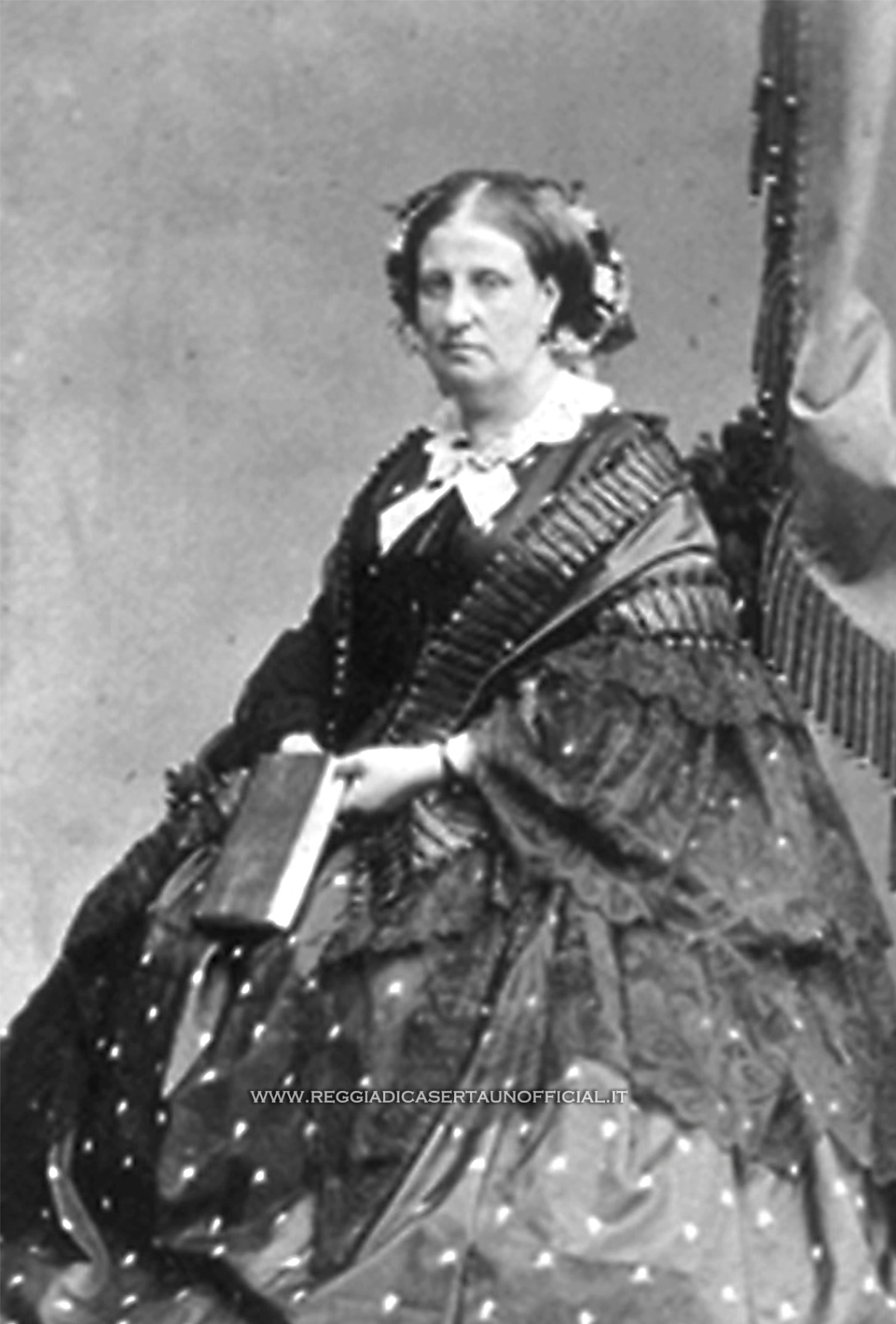
Maria Carolina Ferdinanda Luisa of Bourbon-Two Sicilies (Caserta, November 5, 1798 – Mureck, April 16, 1870) was a Princess of the Two Sicilies by birth and Duchess of Berry by marriage. She was the mother of the Legitimist monarch Henry V of France. As the daughter of Francis I of the Two Sicilies, she married Charles Ferdinand d’Artois, Duke of Berry, and gave birth to Henry, Count of Chambord, who was the Legitimist claimant to the French throne. Following the events of the July Revolution of 1830, she attempted to promote the restoration of the Bourbon dynasty through an insurrection in the Vendée; the initiative failed, leading to her arrest and subsequent withdrawal from political life.

https://it.wikipedia.org/wiki/Carolina_di_Borbone-Due_Sicilie

Maria Cristina of Bourbon-Two Sicilies, Queen of Spain (second daughter)

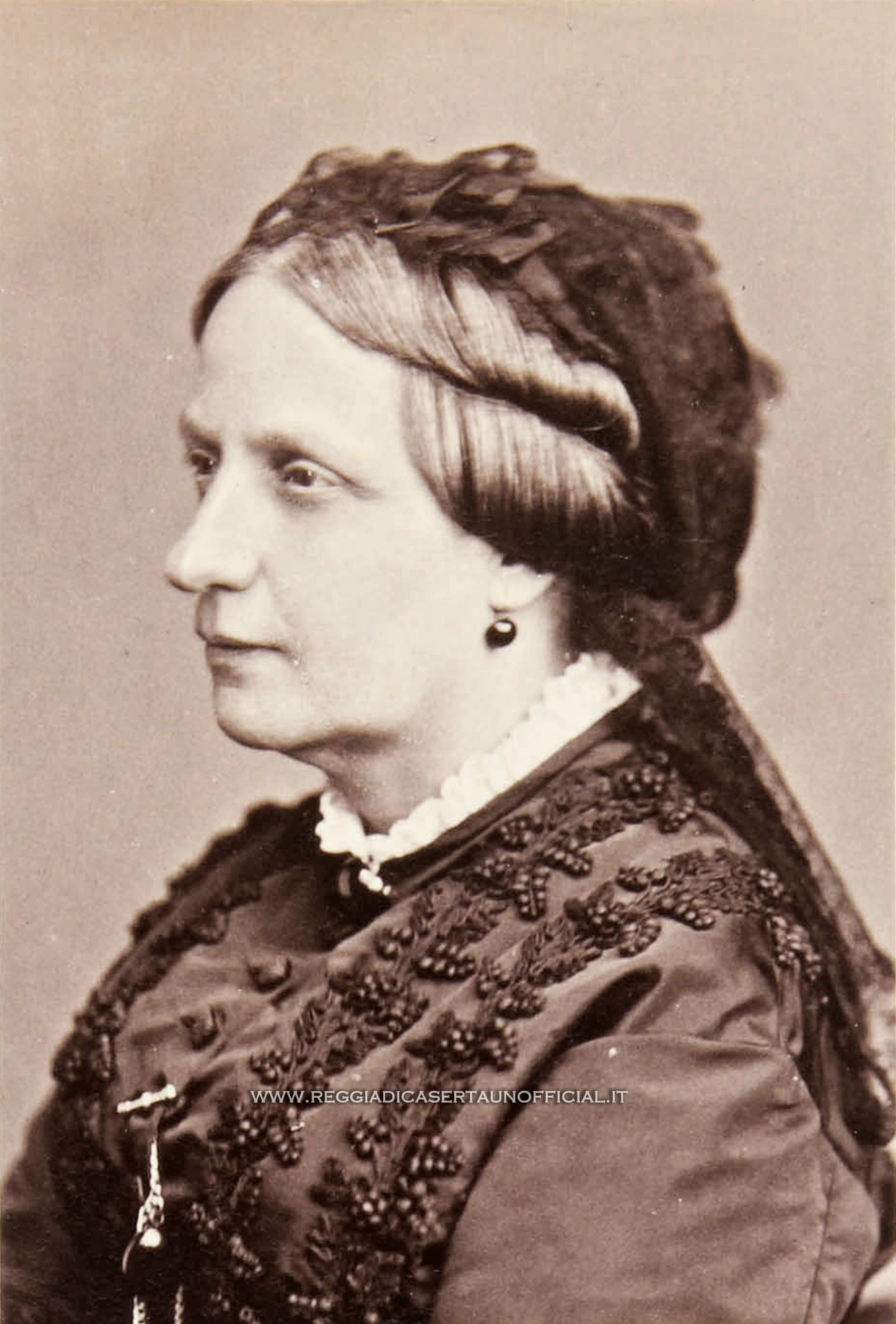
Maria Cristina of Bourbon-Two Sicilies (Palermo, 1806 – Le Havre, 1878) was the fourth consort of Ferdinand VII of Spain and queen from 1829 to 1833. She subsequently served as regent of Spain from 1833 to 1840 on behalf of her daughter, Isabella II. She held the titles of Princess of Naples and Sicily—changed to Princess of the Two Sicilies in 1816.

She led the nation during the First Carlist War and the transition from absolutism to a constitutional liberal system. Forced to relinquish the regency in 1840 due to conflict with General Espartero, she returned to Spain in 1844, retaining political influence over her daughter’s monarchy. She spent her final years in exile in France, where she died in 1878.

Leopold of Bourbon-Two Sicilies, Count of Syracuse (third son)

Leopold of Bourbon-Two Sicilies, Count of Syracuse (Palermo, May 22, 1813 – Pisa, December 4, 1860), was a prince of the House of Bourbon-Two Sicilies and the third son of King Francis I of the Two Sicilies and Queen Maria Isabella of Bourbon-Spain. He served as Lieutenant General of Sicily from 1830 to 1835. Holding liberal views, he promoted an understanding with the Kingdom of Sardinia during the final years of the Kingdom of the Two Sicilies and firmly supported the cause of Italian unification.

Louis of Bourbon-Two Sicilies, Count of Aquila (fifth son)

Luigi of Bourbon-Two Sicilies—whose full name was Luigi Carlo Maria Giuseppe, Prince of Bourbon-Two Sicilies—was born in Naples on July 19, 1824, and died in Paris on March 5, 1897. A distinguished member of the Royal House of Bourbon-Two Sicilies, he held the titles of Prince of the Kingdom of the Two Sicilies and Count of Aquila. As the son of Francis I of the Two Sicilies, he assumed significant responsibilities within the Neapolitan navy and was involved in the political events that led to the collapse of the Bourbon monarchy in 1860. During his subsequent exile in Paris, he devoted himself primarily to painting, gaining renown for his seascapes, which were influenced by the celebrated Posillipo School.

Maria Antonia of Bourbon-Two Sicilies, Grand Duchess of Tuscany (seventh daughter)

Maria Antonia Anna of Bourbon-Two Sicilies—born in Palermo on December 19, 1814, and died in Gmunden on November 7, 1898—held the title of Princess of the Kingdom of the Two Sicilies by birth and that of Grand Duchess of Tuscany as the consort of Leopold II of Lorraine. She is also known as Maria Antonietta of the Two Sicilies or Maria Antonietta of Tuscany—names commonly used within the Bourbon and Habsburg-Lorraine dynasties for princesses named Maria Antonia.

The daughter of King Francis I of the Two Sicilies, her marriage to Grand Duke Leopold II of Tuscany in 1867 strengthened ties between Italian dynasties. Maria Antonia distinguished herself through her commitment to charitable works and her support for the arts, thereby contributing to the culture and well-being of her court. Her life was marked by tumultuous historical events—including the unification of Italy—which profoundly influenced her role and her legacy.

Maria Amalia of Bourbon-Two Sicilies, Infanta of Spain (tenth child)

Maria Amalia of Bourbon-Two Sicilies—whose full name was Maria Amalia Ferdinanda of Bourbon—was a Princess of the Two Sicilies by birth and became an Infanta of Portugal and Spain following her marriage to Infante Sebastian of Bourbon-Spain. She was born in Pozzuoli on February 25, 1818, and died in Madrid on November 6, 1857.

The tenth child of Francis I of the Two Sicilies and Maria Isabella of Spain, Maria Amalia played no significant political role, though a strategic marriage had been hoped for. She met Sebastian of Bourbon-Spain during the wedding of her sister, Maria Cristina, and married him in Madrid on May 25, 1832. However, the marriage produced no children and took place amidst political tension between the supporters of Isabella II and those of Carlos María Isidro of Bourbon-Spain.

Following the death of Ferdinand VII in 1833, dynastic conflicts arose that led to the regency of Maria Cristina. Sebastian Gabriel, initially loyal to the late king, became a prominent Carlist leader. In 1838, his mother married Carlos, becoming Queen of the Carlists, and the First Carlist War ended in 1839.

Maria Amalia died on November 6, 1857, during a period of instability between Carlists and Isabellines; her passing went largely unnoticed at the Madrid court. After her death, Sebastian Gabriel remarried, wedding Infanta Maria Cristina of Spain, a cousin of Isabella II.
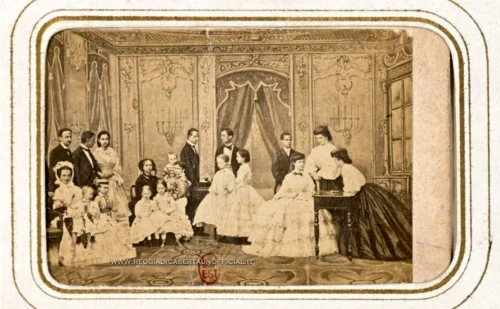
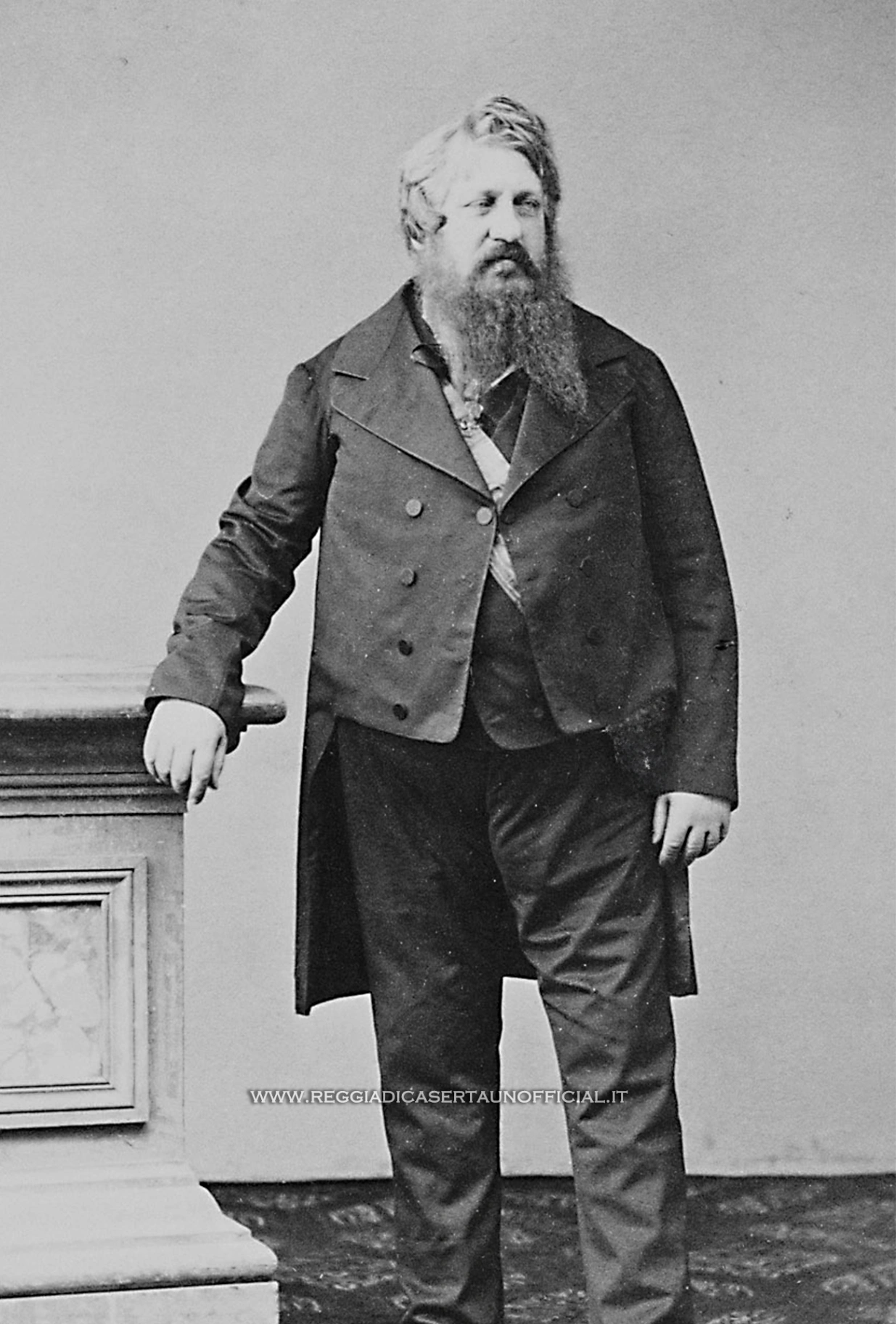
Teresa Cristina of Bourbon-Two Sicilies, Empress of Brazil

Teresa Cristina of Bourbon-Two Sicilies (1822–1889), a Neapolitan princess and daughter of Francis I, was the last Empress consort of Brazil as the wife of Pedro II.
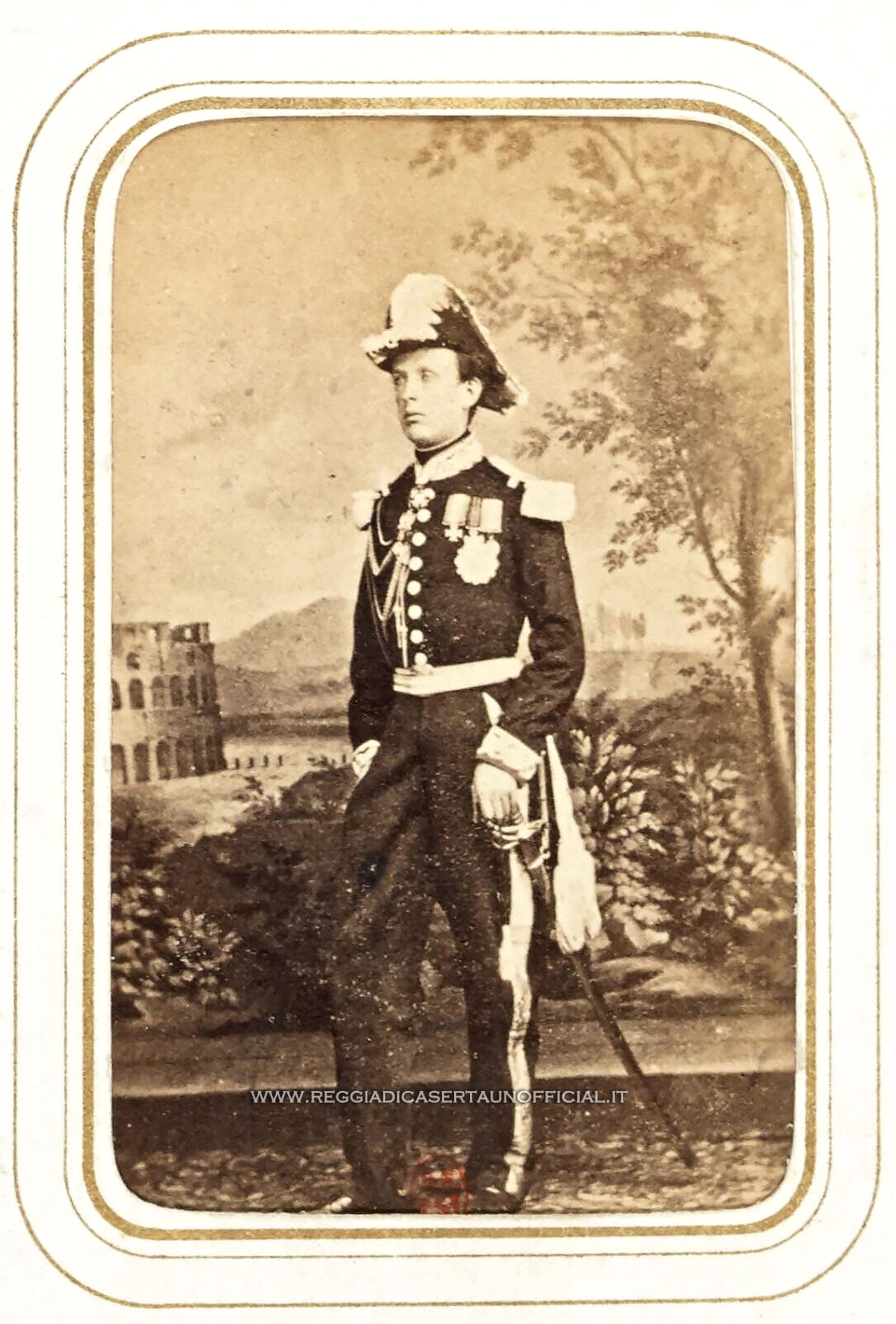
She married Pedro II in 1843. The Emperor had agreed to the marriage based on a deliberately flattering portrait and was initially disappointed by her actual appearance. Despite his infidelities, the couple developed a bond of affection, respect, and deep friendship.
A discreet woman who stayed away from politics, she was known as the “Mother of Brazilians.” She promoted the arts and music, funded archaeological excavations, and encouraged Italian professionals and artisans to emigrate to Brazil.
Following the fall of the monarchy in 1889, she was forced into exile. She died just a few months later in Porto, Portugal, overcome with grief at having been compelled to leave the country.

Her remains now rest in the Cathedral of Petrópolis, Brazil.

Francesco of Bourbon-Two Sicilies, Count of Trapani (youngest son)

Francesco of Bourbon-Two Sicilies, Count of Trapani, was born in Naples in 1827 and was the youngest child of King Francis I and Maria Isabella of Spain. Educated at the College of Nobles in Rome from the age of ten, he pursued his studies under strict rules and discipline, constantly monitored by his mother and the Neapolitan court. In 1850, he married Archduchess Maria Isabella of Austria-Tuscany—his niece—with whom he had six children. Although a member of the royal family—brother to King Ferdinand II and uncle to King Francis II—he held no significant political or governmental roles, yet he always demonstrated absolute loyalty to the Bourbon dynasty. Following the unification of Italy and the fall of the Kingdom of the Two Sicilies in 1860, he accompanied his family into exile and spent the final years of his life in Paris, where he died in 1892.

The family of King Ferdinand II of Bourbon

Ferdinand Charles Maria of Bourbon-Two Sicilies (King)

**Ferdinand Charles Mary of Bourbon** (1810–1859), who ascended the throne in 1830 as **Ferdinand II of the Two Sicilies**, reigned for nearly thirty years during one of the most complex periods in Italian history.Having come to power at the age of twenty, he promoted significant economic and infrastructural modernization within the kingdom; he reduced taxes, reorganized finances, and in 1839 inaugurated the Naples-Portici line—Italy’s first railway. Despite this innovative drive, his government remained rigidly absolutist and reactionary. A shift toward authoritarianism occurred during the upheavals of 1848: after granting a constitution under pressure from revolts, he revoked it within months, harshly suppressing the liberal opposition and ordering the heavy naval bombardment of Messina and Palermo to quell the Sicilian separatist insurrection—an action that earned him the infamous nickname *”King Bomba.”*The final years of his reign were marked by diplomatic isolation and growing hostility from Risorgimento movements. He died in Caserta in May 1859 at the age of only forty-nine, leaving the crown to his young son, Francis II; just a year later, Francis would witness the collapse of the Bourbon kingdom in the face of the Expedition of the Thousand and the process of Italian unification.

Maria Theresa Isabella of Austria (Queen)

Maria Theresa Isabella of Austria (Vienna, July 31, 1816 – Albano Laziale, August 8, 1867) was an Austrian archduchess and Queen of the Two Sicilies. The daughter of Archduke Charles of Austria-Teschen and Henrietta of Nassau-Weilburg, she married Ferdinand II of Bourbon in 1837.

Of a frail constitution, Maria Theresa found court life unbearable and preferred to remain in her own apartments, devoting herself to needlework and her family. Nevertheless, she sought to influence her husband to adopt a stern attitude.

Despite behavior not typically expected of a queen, the marriage was harmonious, and her relationship with her stepson Francis was formally correct.

Luigi Maria of Bourbon-Two Sicilies, Count of Trani (second son)

Luigi Maria of Bourbon-Two Sicilies, Count of Trani (Naples, August 1, 1838 – Paris, June 8, 1886), was a prince of the Two Sicilies.

Luigi was born in Naples on August 1, 1838, the second son of Ferdinand II of the Two Sicilies and Maria Theresa of Austria-Teschen, and a member of the House of Bourbon-Two Sicilies. He had four brothers and four sisters and was the favorite son of his mother, Queen Maria Theresa. He held the title of Count of Trani from birth and grew up during his father’s reign, a period marked by numerous uprisings during the Risorgimento. After his father’s death in 1859, his half-brother Francis II ascended the throne but was stripped of the crown following the Expedition of the Thousand and the Unification of Italy. While in exile in Rome, on June 5, 1861, Luigi married Mathilde of Bavaria, the younger sister of Empress Elisabeth of Austria. Luigi of Bourbon-Two Sicilies died by suicide on June 8, 1886.

https://it.wikipedia.org/wiki/Luigi_di_Borbone-Due_Sicilie_(conte_di_Trani)

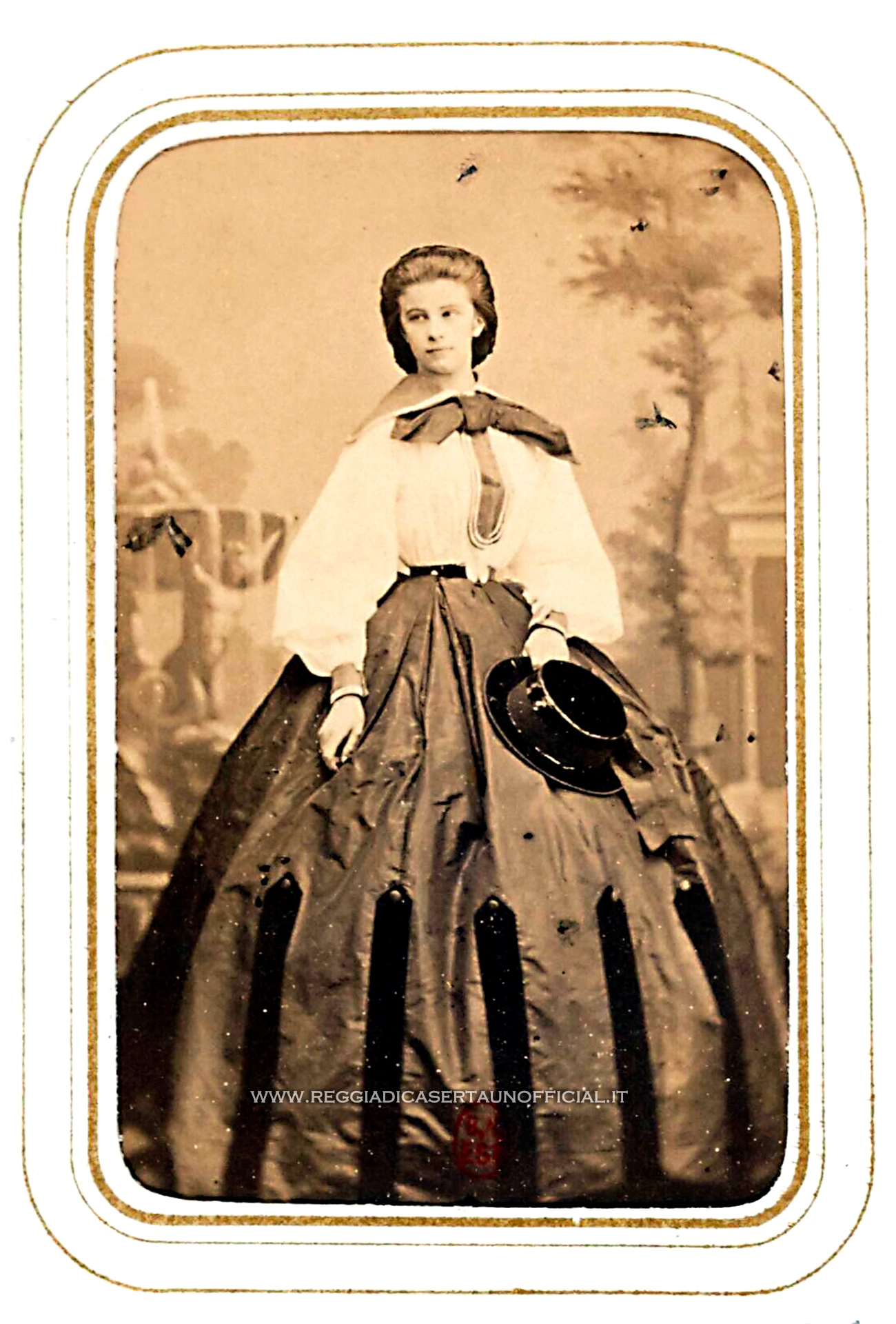
Mathilde Ludovika of Bavaria, Countess of Trani (wife of Louis Maria of Bourbon-Two Sicilies)

Mathilde Ludovika of Bavaria (1843–1925)—a Bavarian duchess who became a Princess of the Two Sicilies—was a fascinating figure within the Wittelsbach dynasty. The younger sister of Elisabeth of Austria and Maria Sophia, she grew up at Possenhofen Castle, free from the constraints of court convention—an upbringing that shaped both her lively temperament and her deep melancholy. In 1861, she married Louis Maria of Bourbon-Two Sicilies, Count of Trani; although the union was intended to strengthen ties between the Bavarian and Bourbon houses, it proved to be an unhappy one. Known to her family as “Spatz,” Mathilde spent her life traveling between major European cities—often accompanied by her sister Maria Sophia or Empress Sissi—while suffering from recurring bouts of depression. The marriage produced a single daughter, Maria Theresa, whose premature death in 1909 was a profound loss. Widowed, the Countess of Trani passed away in Munich in 1925 at the age of eighty-one.

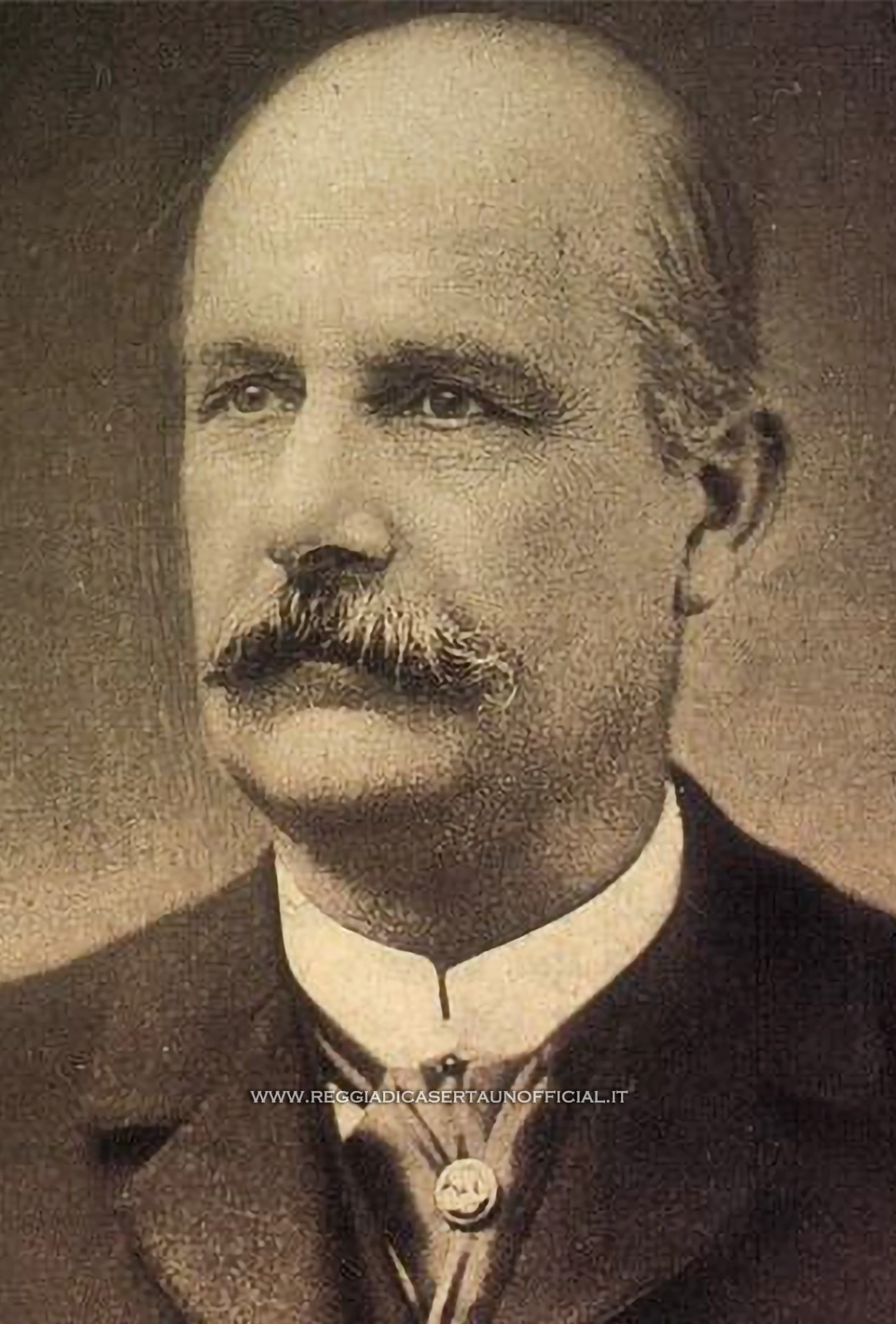
Alfonso of Bourbon-Two Sicilies, Count of Caserta (third son)

Alfonso Maria Giuseppe Alberto of Bourbon-Two Sicilies (Caserta, March 28, 1841 – Cannes, May 26, 1934) was a prominent figure of the Italian nobility, holder of the title of Count of Caserta, and the third child of Ferdinand II of the Two Sicilies and Archduchess Maria Theresa of Austria.

Born at the Royal Palace of Caserta, he belonged to the House of Bourbon-Two Sicilies. He held the title of Count of Caserta—second in importance only to that of Duke of Calabria within the Kingdom of the Two Sicilies.

He embarked on a military career in 1853, attaining the rank of colonel and distinguishing himself in the defense of the kingdom by fighting at the Volturno, the Garigliano, and Gaeta.

Following the fall of the Bourbon monarchy, he lived in exile in Rome from 1861 to 1870, leading the conservative faction of the Neapolitan aristocracy and serving in the Papal Army.

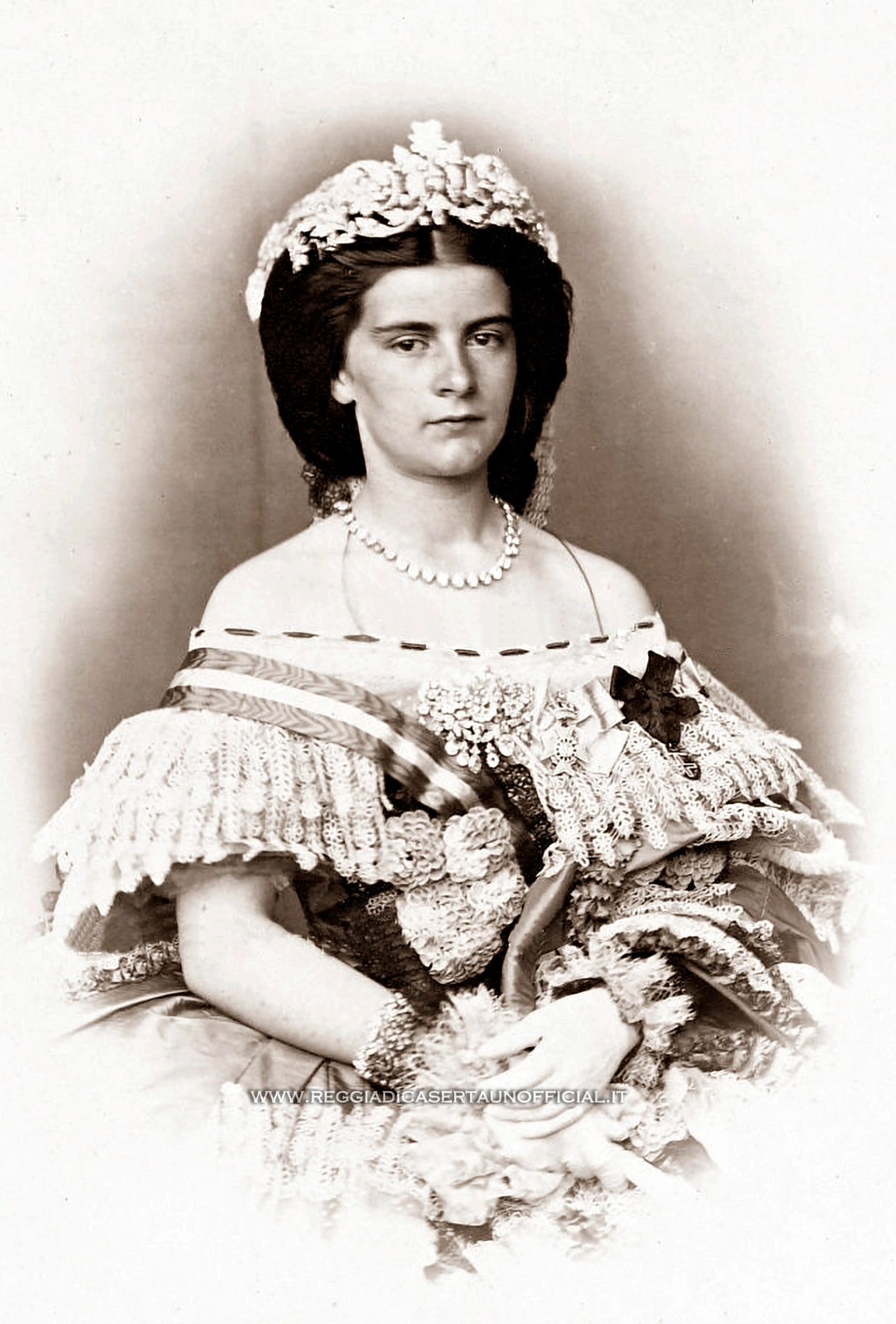
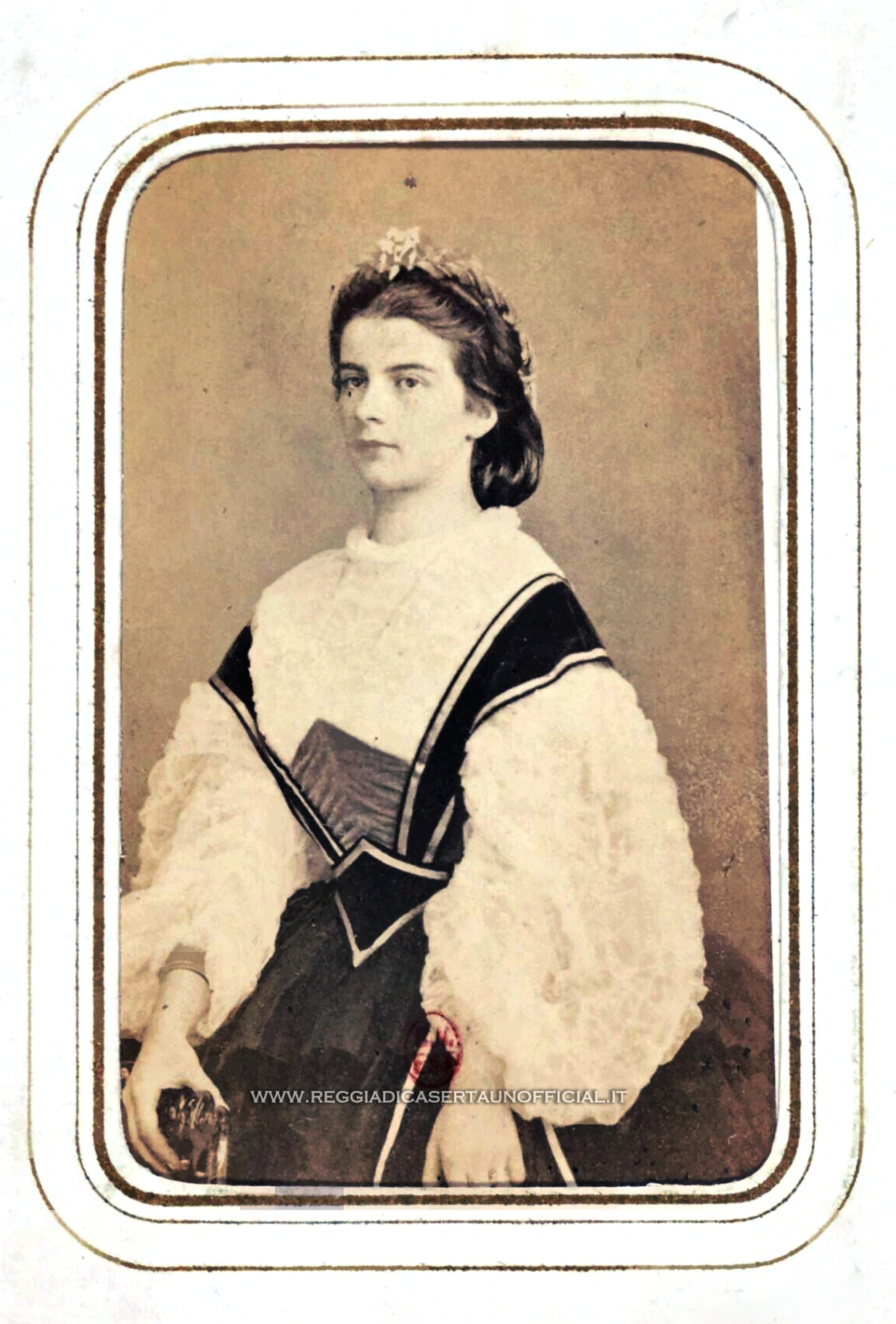
Maria Annunziata of Bourbon-Two Sicilies, Archduchess of Austria (fourth daughter)

Maria Annunziata of Bourbon-Two Sicilies (Caserta, 24 March 1843 – Vienna, 4 May 1871) was a princess of the Kingdom of the Two Sicilies by birth and an Archduchess of Austria by marriage. She was the mother of Franz Ferdinand of Austria-Este, whose assassination triggered the outbreak of World War I. She was the fourth child of Ferdinand II of Bourbon and his second wife, Archduchess Maria Theresa of Austria-Teschen.
https://it.wikipedia.org/wiki/Maria_Annunziata_di_Borbone-Due_Sicilie

Gaetano Maria Federico of Bourbon-Two Sicilies, Count of Girgenti (seventh son)

Gaetano Maria Federico of Bourbon-Two Sicilies, Count of Girgenti (Caserta, 12 January 1846 – Lucerne, 26 November 1871), was the seventh child of Ferdinand II of the Two Sicilies and his second wife, Maria Theresa of Austria. Gaetano was a member of the House of Bourbon-Two Sicilies and the husband of Isabella, Princess of Asturias, who was twice recognized as the heiress presumptive to the Spanish throne. Through this union, Gaetano was created an Infante of Spain.

Pasquale of Bourbon-Two Sicilies, Count of Bari (11th child)

Pasquale of Bourbon-Two Sicilies, Count of Bari (Caserta, 1852 – Rueil-Malmaison, 1904)—the eleventh child of Ferdinand II of the Two Sicilies and Maria Theresa of Austria—received an affectionate upbringing from his mother. Ferdinand II displayed typical paternal feelings toward his children, interacting with them even during formal occasions. Following the expulsion of the Bourbon dynasty from Naples, Pasquale accompanied his family to Rome, where they were hosted by the Pontiff at the Quirinal Palace. He entered into a morganatic marriage with Blanche Marconnay on November 20, 1878, in Clichy.

Maria Pia of Bourbon-Two Sicilies, Infanta of Spain (eighth daughter)

Maria Pia of Bourbon-Two Sicilies, born in Gaeta on August 2, 1849, and who died in Biarritz on September 29, 1882, was a princess of the Two Sicilies. She was the daughter of Ferdinand II of Bourbon and Maria Theresa of Austria-Teschen, as well as the half-sister of Francis II of Bourbon, the last sovereign of the Two Sicilies.

Maria Pia of Bourbon-Two Sicilies, born in Gaeta in 1849, was the daughter of King Ferdinand II and Maria Theresa of Austria. Raised in a strict and sheltered family environment, she experienced the drama of the fall of the Kingdom of the Two Sicilies in 1861 at a very young age, accompanying the royal family into exile in Rome within the Papal States. In 1869, she married the former sovereign Duke Robert I of Parma, becoming the titular Duchess Consort of Parma and Piacenza. Her marriage was marked by numerous closely spaced pregnancies; she gave birth to twelve children in just thirteen years of marriage, six of whom suffered from intellectual disabilities. Physically exhausted by repeated childbirths, she died of puerperal fever in 1882 at the age of thirty-three in Biarritz, just days after the birth of her last child. Her remains rest at Villa Borbone in Viareggio.

Maria Immaculata of Bourbon-Two Sicilies (fifth daughter)

Maria Immacolata Clementina of Bourbon-Two Sicilies, born in Naples on April 14, 1844, and who died in Vienna on February 18, 1899, was a princess of the Two Sicilies. She was the eldest daughter of Ferdinand II of Bourbon and his second wife, Maria Theresa of Austria.

Raised according to strict moral principles, she struggled with her mother’s reserved nature. In 1860, amidst political turmoil and the collapse of the Kingdom of the Two Sicilies, she accompanied the royal family into exile in Rome. In 1861, she married Archduke Karl Salvator of Austria-Tuscany and settled in Austria. Renowned for her extraordinary beauty, she caught the attention of Empress Sisi, who included her in a photographic collection of women of rare beauty. The couple had ten children; since her husband gifted her a pearl necklace upon the birth of each child, the family earned the nickname “the pearl collectors.” She died in Vienna in 1899 at the age of fifty-four and was interred in the Imperial Crypt.

Maria Luisa of Bourbon-Two Sicilies (youngest daughter)

Maria Luisa of Bourbon-Two Sicilies—whose full name was Maria Immacolata Luisa of Bourbon, Princess of the Two Sicilies (born in Caserta on January 21, 1855; died in Pau on August 23, 1874)—was the youngest daughter of Ferdinand II of the Two Sicilies and his second wife, Archduchess Maria Theresa of Austria.

Born in Caserta in 1855, Maria Luisa of Bourbon-Two Sicilies was the youngest daughter of Ferdinand II and Maria Theresa of Austria. Left fatherless at the age of four, she received a strict upbringing from her mother. In 1860, due to Garibaldi’s advance, she moved to Rome with her family under the protection of the Holy See. In 1867, a cholera epidemic claimed the lives of her mother and her brother Gennaro. In 1873, she married Prince Henry of Bourbon-Parma, Count of Bardi, assuming the title of Countess. She died prematurely in Pau on August 23, 1874, at the age of nineteen.

The family of King Francis II of Bourbon

The Royal Family of Bourbon-Two Sicilies in 1959

Francis II of Bourbon with Maria Sophia of Bavaria

Francis II of Bourbon (King)

Francis II of Bourbon (1836–1894)—jokingly nicknamed *”Franceschiello”* by Risorgimento historiography—was the last King of the Kingdom of the Two Sicilies. The son of King Ferdinand II and his first wife, Maria Cristina of Savoy (who died just days after giving birth to him), he was raised in an environment of deep religiosity and strict discipline under the influence of his stepmother, Maria Theresa of Austria; he ascended the throne in May 1859 at the age of just twenty-three.

Caught off guard by a dramatic political situation and lacking his father’s timely shrewdness, he soon found himself facing the Expedition of the Thousand led by Giuseppe Garibaldi and the imminent collapse of the Bourbon state. Despite a belatedly granted constitution and attempts to reorganize the government, the betrayal of high-ranking officers and the advance of Garibaldi’s forces forced him to leave Naples in September 1860 and take refuge with his young wife, Maria Sophia of Bavaria, in the fortress of Gaeta. There, he demonstrated great dignity and personal courage by leading the Bourbon army’s heroic yet desperate resistance against the siege by Piedmontese troops, finally capitulating in February 1861.

Having spent the remainder of his life in exile—first in Rome and later in various European locations—he died in Arco di Trento in 1894. He is remembered by his supporters for his deep religious piety and the composed nobility with which he faced the loss of his kingdom. His remains now rest in the Basilica of Santa Chiara in Naples.

From left to right: Prince Luigi Maria of Bourbon-Two Sicilies, Count of Trani; Queen Maria Sophie of Bavaria; and King Francis II of Bourbon-Two Sicilies. On the right is an unidentified Prince of Bourbon-Two Sicilies—likely Alfonso, Giuseppe, Pasquale, or Gennaro.

Maria Sophia of Bavaria (Queen)

Marie Sophie Amalie von Wittelsbach, Duchess in Bavaria—known in Italian as Maria Sofia di Baviera (Possenhofen Castle, October 4, 1841 – Munich, January 19, 1925)—was the last Queen consort of the Kingdom of the Two Sicilies. She distinguished herself during the Siege of Gaeta, becoming a symbol of the Bourbon resistance during the Italian Risorgimento.
Her reign coincided with the unification of Italy, an event that led to the fall of the kingdom and her subsequent exile. Despite the adversities she faced, Maria Sofia remained a key figure for supporters of the Bourbon monarchy, keeping the memory of her dynasty alive. Her life stands as a symbol of resilience and determination in an era of radical change.

Maria Cristina Pia of Bourbon-Two Sicilies

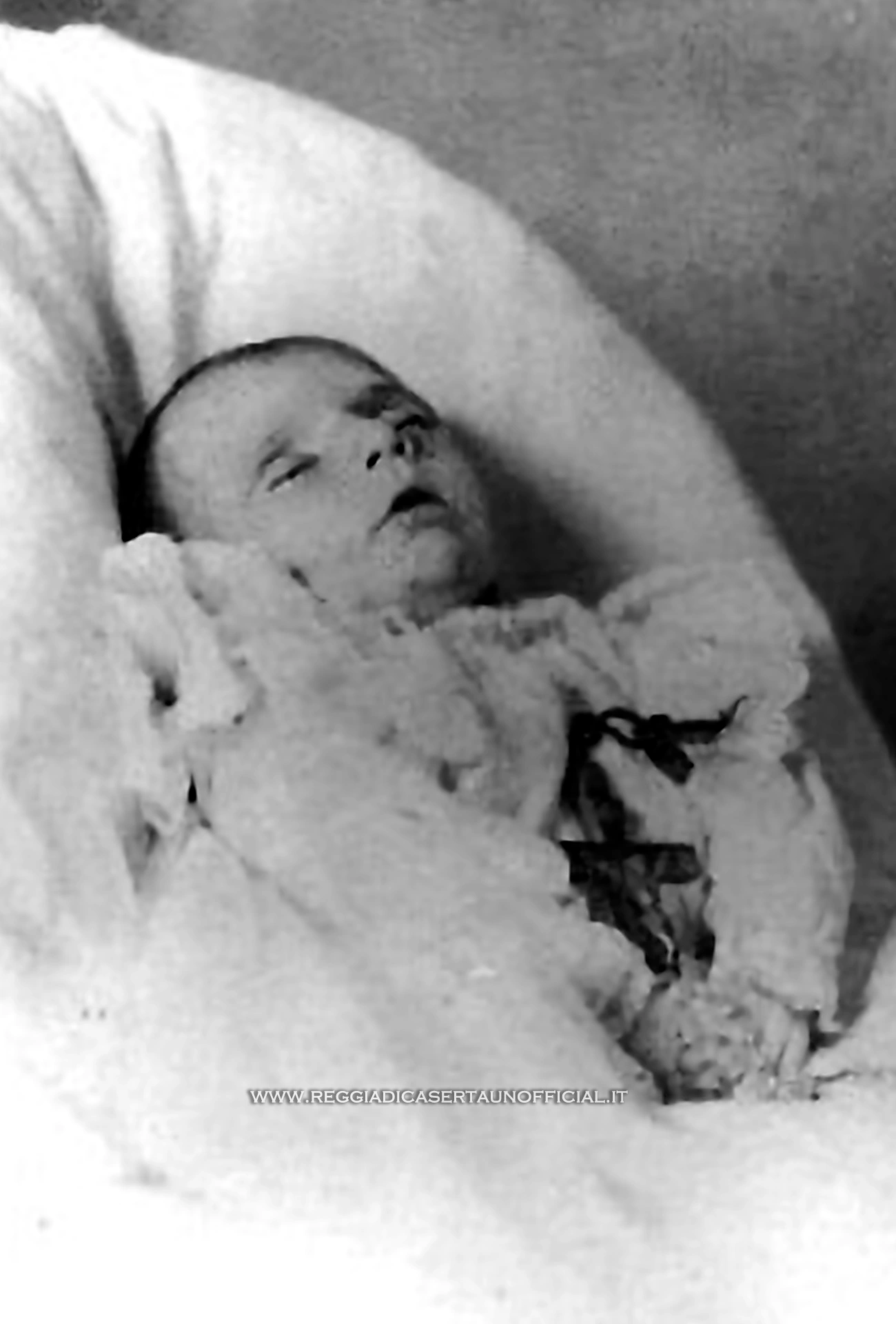
Princess Maria Cristina Pia Anna Isabella Natalia Elisa of Bourbon-Two Sicilies was born in Rome on December 24, 1869, the only child of Francis II of the Two Sicilies and Queen Maria Sophie. Baptized by her aunt, Empress Elisabeth of Austria (“Sisi”), she survived for only three months, passing away on March 28, 1870. Her death left her parents without further heirs. Her remains rest in the Bourbon Royal Chapel at the Basilica of Santa Chiara in Naples.

Showing Slide 1 of 4: The Kingdom of the Two Sicilies
error: Content is protected !!