The Terrae Motus Collection
Terrae Motus is a contemporary art collection conceived by the Neapolitan gallerist Lucio Amelio to honor and commemorate the devastating earthquake that struck Irpinia (in the province of Avellino) on November 23, 1980. It brings together works by international artists who interpreted the earthquake and its aftermath through diverse artistic languages. Amelio donated the collection to the Royal Palace of Caserta.
The Birth of the Collection
Terrae Motus is perhaps the only single-theme collection in the world that comprehensively represents the contemporary art of the 1980s.
The Terrae Motus collection—established following the Irpinia earthquake that devastated the Italian regions of Campania and Basilicata on November 23, 1980—came into being thanks to the initiative and foresight of Neapolitan art dealer Lucio Amelio (1931–1994). At his request, various contemporary artists of diverse nationalities—such as Joseph Beuys, Andy Warhol, Robert Mapplethorpe, Michelangelo Pistoletto, Jannis Kounellis, and Mimmo Paladino—responded to the catastrophic event by creating artworks and initiating a dialogue to reflect on the effects of an earthquake and the contribution art can make to reconstruction.
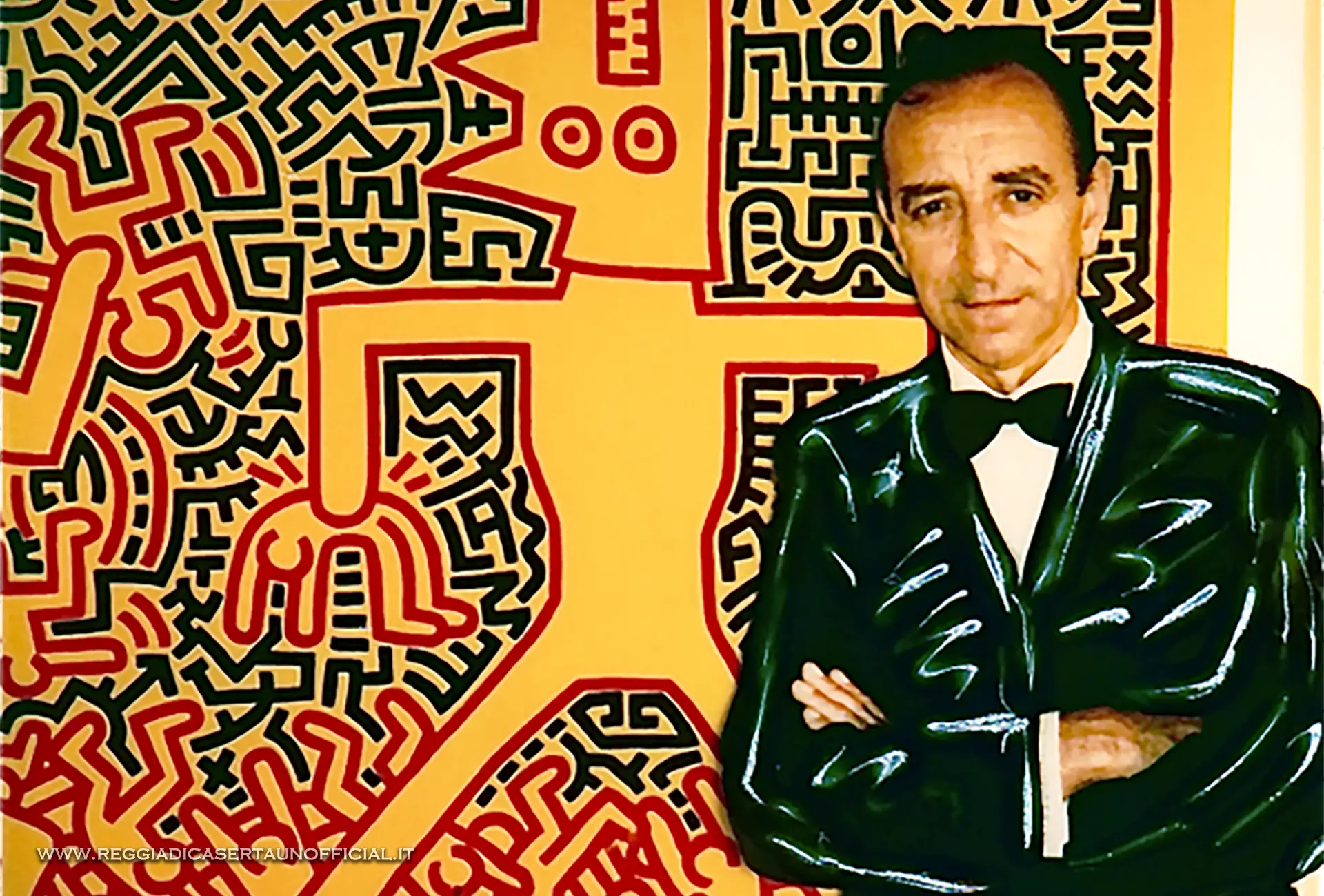
The gallerist Lucio Amelio (1931–1994)
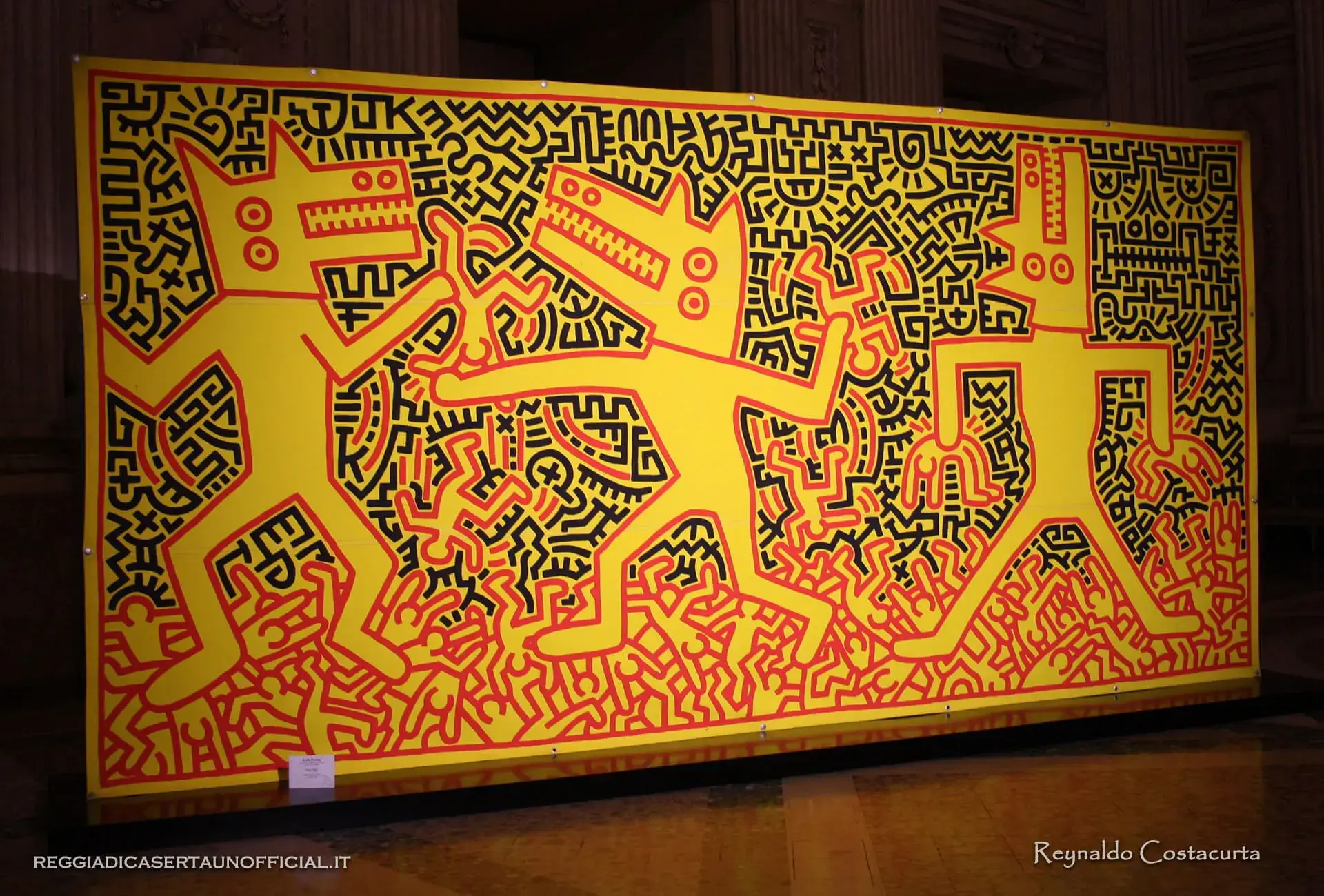
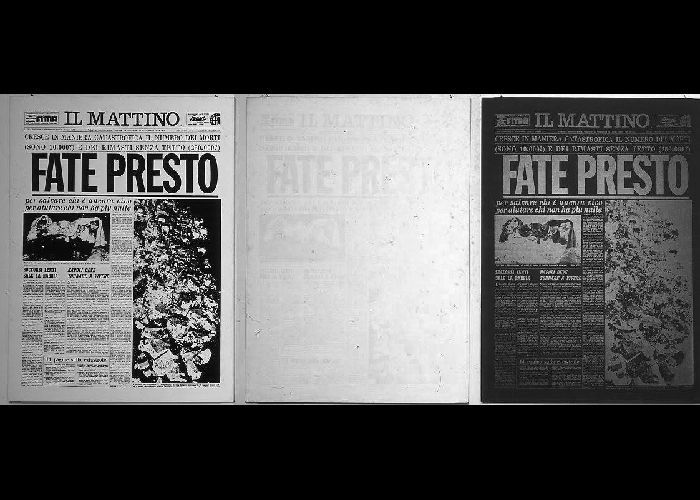
The collection—whose name, *Terrae Motus*, is Latin for “earthquake”—comprises over 70 works, including Andy Warhol’s *Fate Presto*, Keith Haring’s *Untitled*, Robert Rauschenberg’s *Go West-Ho (Glut)*, Joseph Beuys’s *Terremoto a Palazzo*, and Giulio Paolini’s *L’altra figura*.
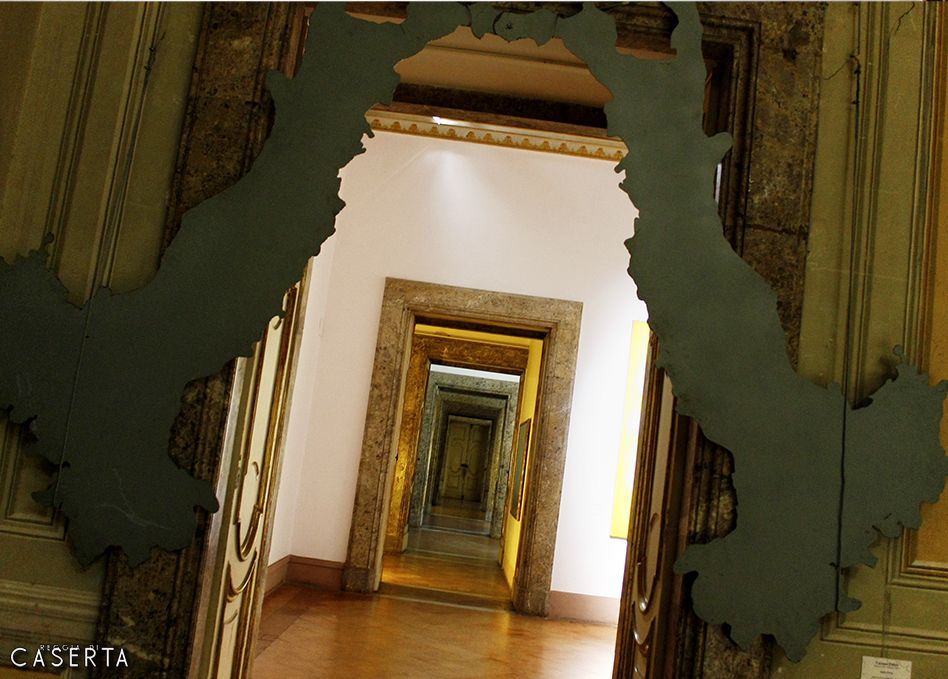
The collection has been exhibited numerous times—initially at Villa Campolieto in Ercolano, and subsequently at the Institute of Contemporary Art in Boston, the Grand Palais in Paris, and elsewhere—before being bequeathed by Mr. Amelio to the Royal Palace of Caserta in 1994, following his death. Since 1994, the *Terrae Motus* Collection has been displayed in the Palace’s halls on a rotating basis, following a strategy aimed at integrating contemporary art into the Royal Palace’s historic and magnificent rooms.
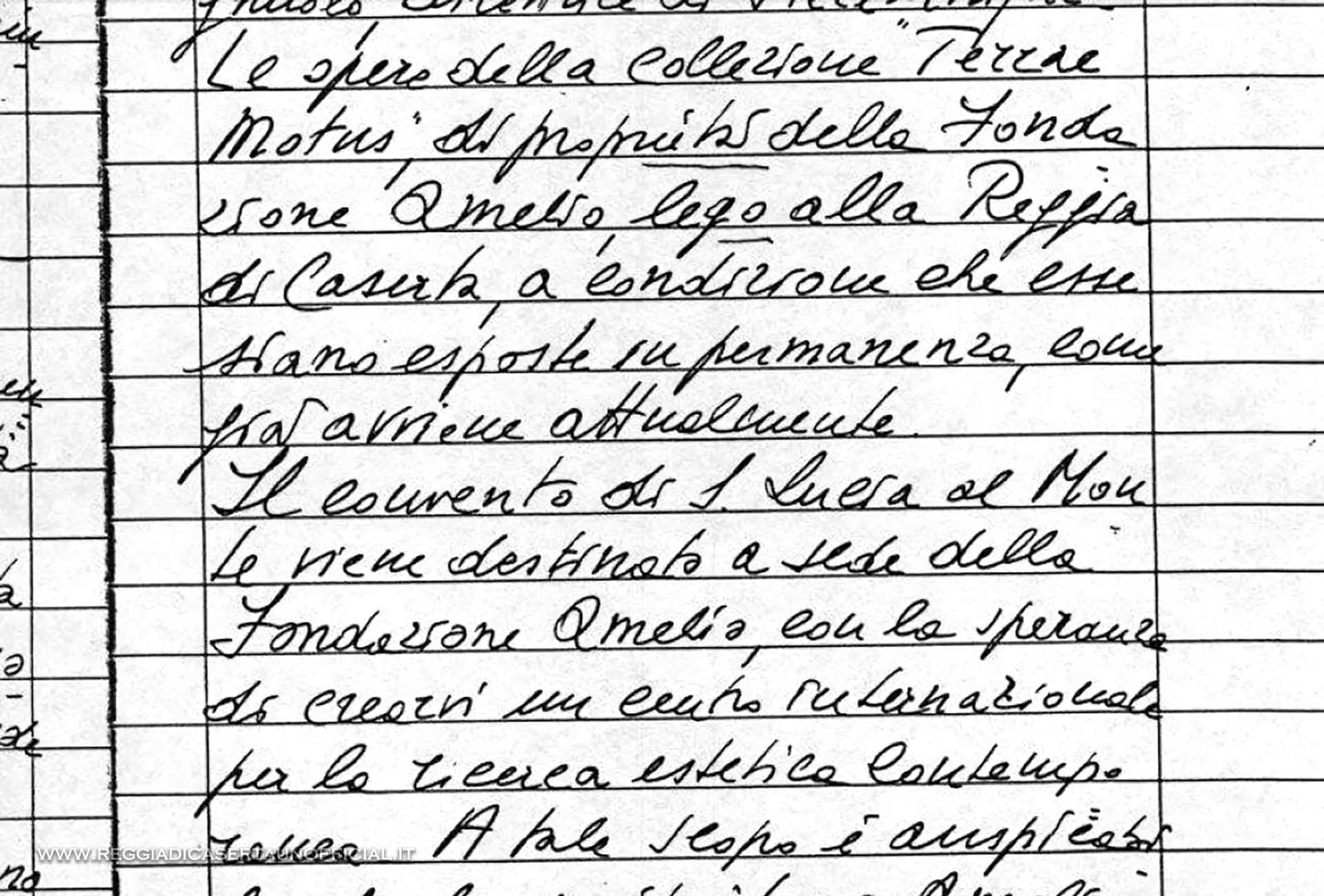
Lucio Amelio's Will
The Artists and Works of Terrae Motus
66 artists and over 70 works by the world's greatest artists of the 1980s, commemorating the devastating Irpinia earthquake.
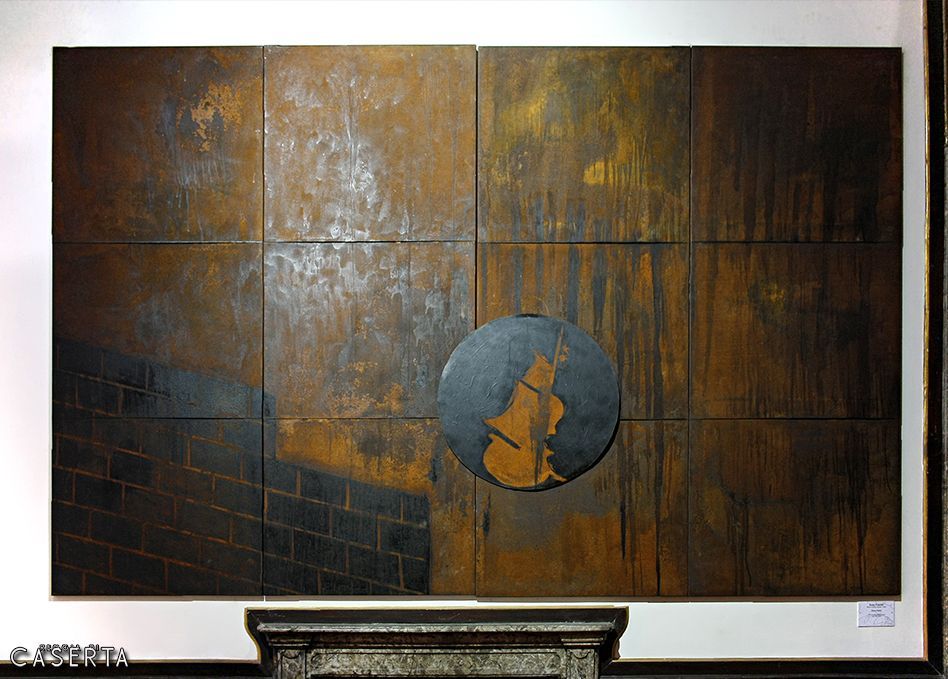
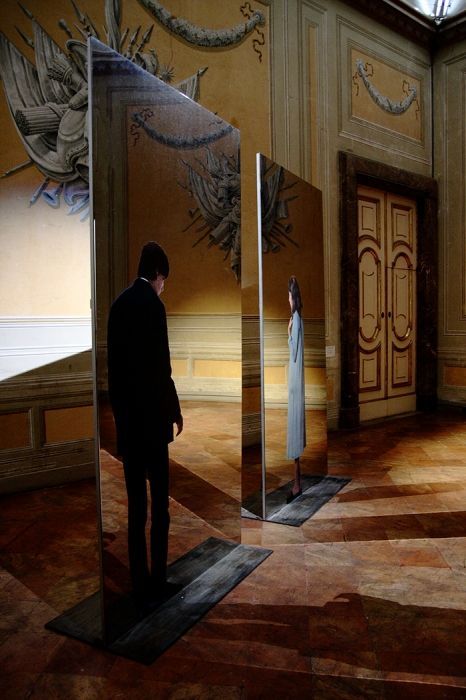
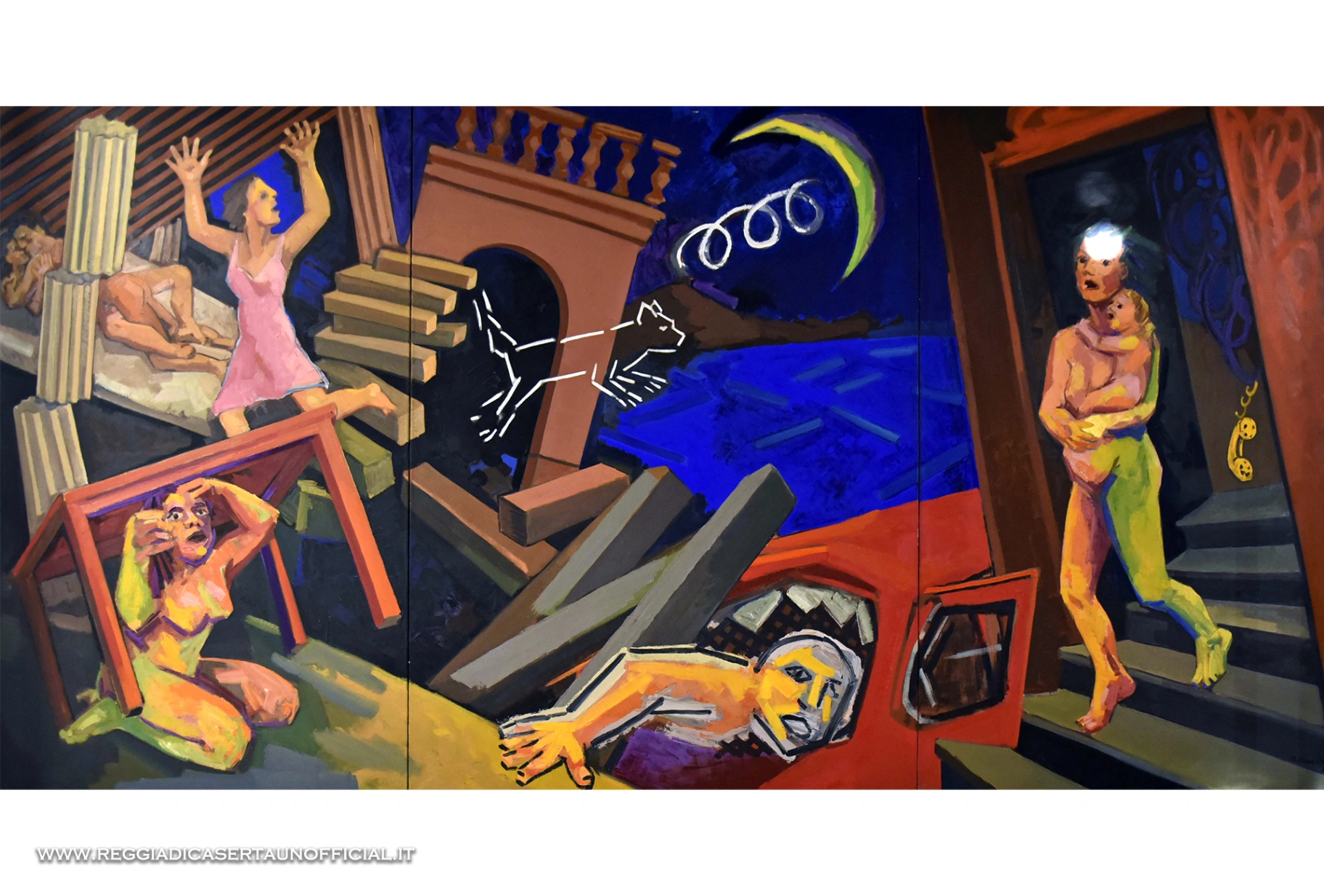
Documentary about Terrae Motus
Alphabetical list of Terrae Motus artists
A
- JEAN-MICHEL ALBEROLA “1907” – bronze sculpture photo and text, 1985
- CARLO ALFANO “Eco descent” – Mixed media on canvas, 1981
- SIEGFRIED ANZINGER “Erdbeben (Earthquake)” – oil on canvas, 1982
B
- DONALD BAECHLER “Terremoto” (Earthquake) – acrylic on wood, 1986/87
- MIQUEL BARCELO’ “L’ombra che trema” (The Trembling Shadow) – mixed media on canvas, 1983
- JOSEPH BEUYS “Terremoto in Palazzo” (Earthquake in the Palace) – wood, terracotta, glass, wax, and an egg, 1981
- DOMENICO BIANCHI “Senza titolo” (Untitled) – oil and wax on fiberglass, 1991
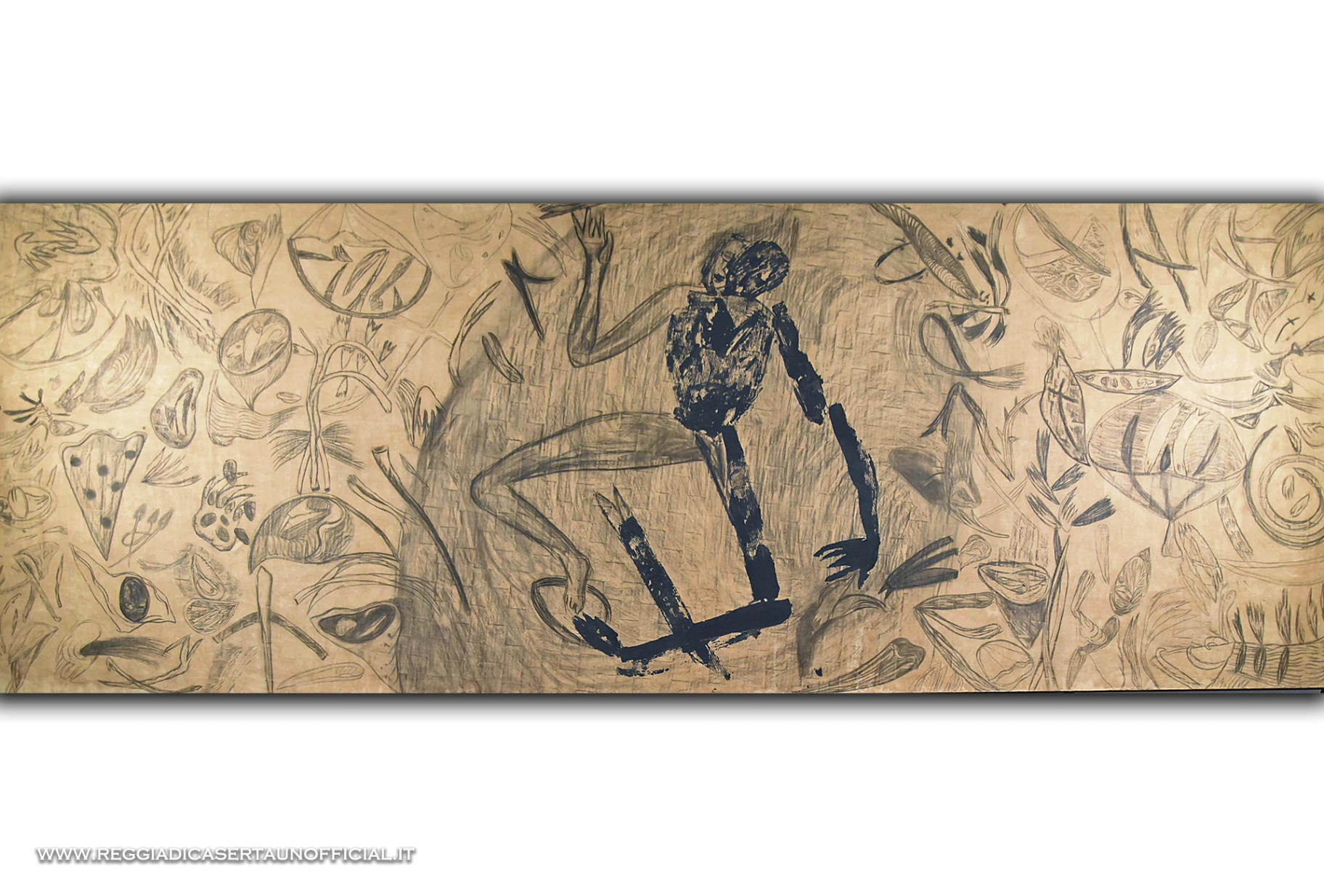
- ALIGHIERO E BOETTI “Di palo in frasca nell’estate dell’anno 1986, accanto al Pantheon” (Jumping from Subject to Subject in the Summer of 1986, Next to the Pantheon) – mixed media on canvas-backed paper, 1986
- CHRISTIAN BOLTANSKI “Senza titolo” (Untitled) – environment and silver objects, 1986
- DAVID BOWES “Senza titolo” (Untitled) – oil on canvas, 1985
- JAMES BROWN “Undici ritratti di Buddha” (Eleven Portraits of Buddha) – wooden sarcophagus on a copper base, 1983/86
C
- CHEMA COBO “Journey to no end” – oil on canvas, 1985
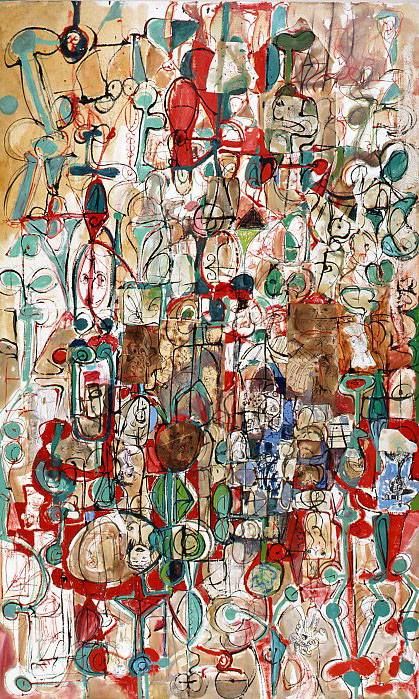
- GEORGE CONDO “Madre Terremoto” – oil and paper on canvas, 1986
- TONY CRAGG “Untitled” – lava and wood, 1983
- ENZO CUCCHI “Untitled” – mixed media on iron, 1986
- RONNIE CUTRONE “Run to the sea, the sea will boil – Run to the rocks, the rocks will melt” – acrylic on Neapolitan flag, 1983
D
- BRUNO DI BELLO “Apollo and Daphne” – blue toning on three emulsified canvases, 1985
- BRACO DIMITRIJEVIC “The causal passerby” – photo on emulsified canvas, 1971/86
F
- LUCIANO FABRO “Italia Porta” – acrylic on wood, 1986
- SERGIO FERMARIELLO “Untitled” – acrylic on wood, 1990
G
- GERARD GAROUSTE “Untitled” – mixed media on canvas-backed paper, 1985
- PIERO GILARDI “Autogobierno” (Self-government) – Moltopren and latex, 1986
- GILBERT & GEORGE “Dying Youth” – photographs on board and metal frames, 1980
H
- PETER HALLEY “Black Cell with Conduit” – acrylic on canvas, 1987
- KEITH HARING “Untitled” – acrylic on canvas, 1983
K
- ANSELM KIEFER “Waterloo, Waterloo…” – oil and terracotta on canvas, 1982
- JANIS KOUNELLIS “Untitled” – irons on wood, 1992
- MILAN KUNC “Silent earthquake” – oil on canvas, 1986
L
- BERTRAND LAVIER “Untitled” – acrylic on book and wood, 1985
- JEAN LE GAC “Le délassement d’un peintre parisien” (The Relaxation of a Parisian Painter) – mixed media on paper, 1985
- FRANCISCO LEIRO “Eve Expelled from Paradise” – painted wood, 1983
- SIMON LINKE “Untitled” – acrylic on canvas, 1986
- ROBERT LLIMÒS “Untitled” – oil on canvas, 1985
- RICHARD LONG “Vesuvius Circle” – lava stones, 1984
- NINO LONGOBARDI “Untitled” – mixed media on canvas, 1983
M
- ROBERT MAPPLETHORPE “Dennis with Bull” – photograph on panel
- ROBERT MAPPLETHORPE “Jack with Crown” – photograph on panel
- ROBERT MAPPLETHORPE “Skull and Crossbones” – photograph on panel
- ROBERT MAPPLETHORPE “Jill Chapman” – photograph on panel
- ROBERT MAPPLETHORPE “Dennis with Flowers” – photograph on panel, 1983
- DAVID McDERMOTT & PETER McGOUGH “Opium Smokers’ Dream” – oil on linen, 1985
- BRUCE MCLEAN “Untitled” – mixed media on canvas, 1985
- SILVIO MERLINO “Trophy with Small Plant” – mixed media on canvas, 1986
- MARIO MERZ “Terrae Motus, In That Time…” – mixed media and neon on canvas, 1984
- OTTO MUEHL “Domestic Accidents” – acrylic on canvas, 1986
- JOSEPH FELIX MÜLLER “Untitled” – painted wood sculpture, 1986
O
- OSWALD OBERHUBER “Untitled” – mixed media on canvas, 1983
- LUIGI ONTANI “Fofo non ha fifa” – oil on 9 fan-shaped canvases, 1986
- JULIAN OPIE “Books” – shaped and painted sheet metal, 1986
P
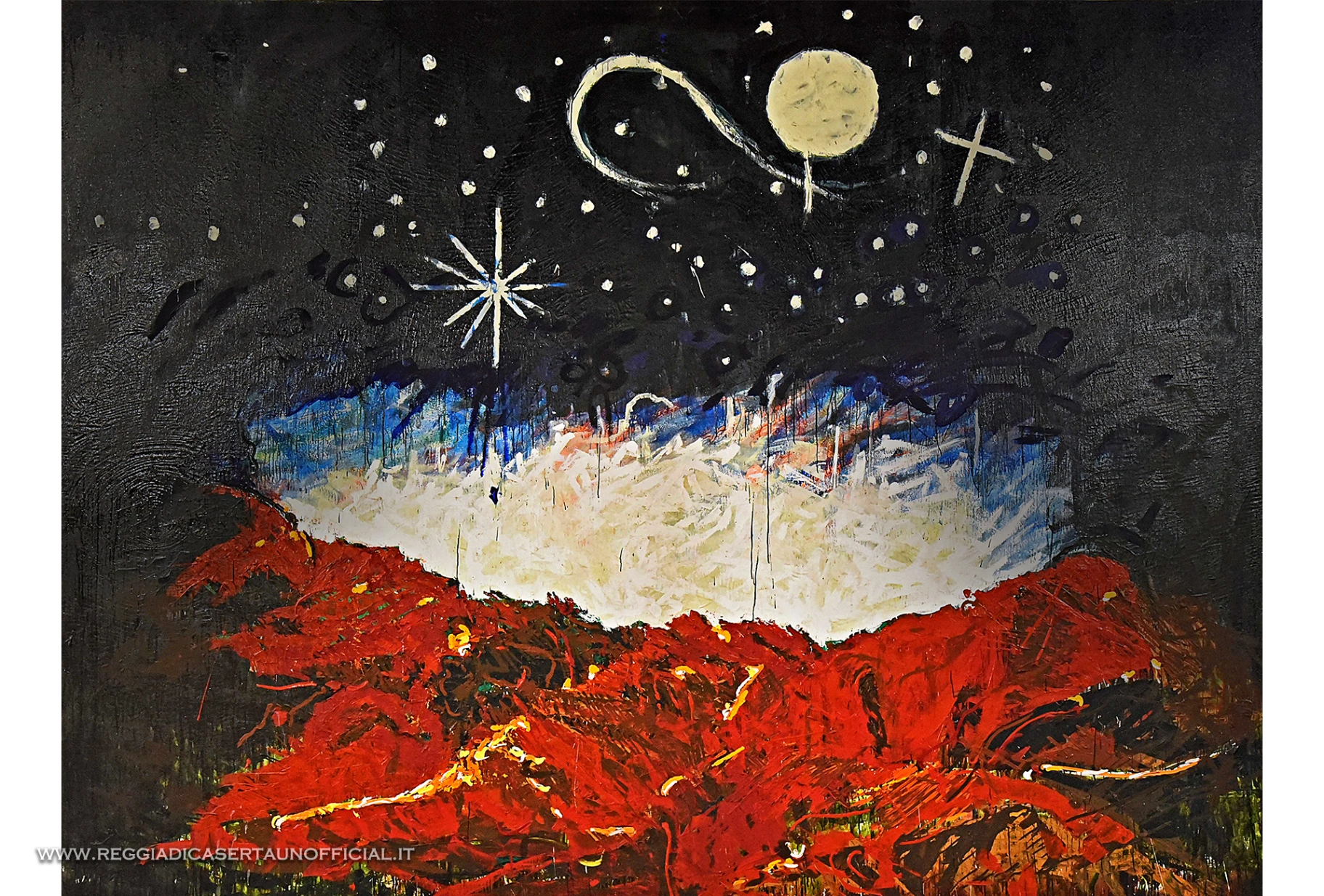
- MIMMO PALADINO “Re uccisi al decadere della forza” (Kings Slain as Strength Fades) – mixed media on canvas-backed paper, 1981
- GIULIO PAOLINI “L’altra figura” (The Other Figure) – two plaster casts of the Marathon Boy on wooden bases, 1986
- A.R. PENCK “Erdbeben im Bierkeller I – II” (Earthquake in the Beer Cellar I – II) – acrylic on two canvases, 1982
- GIANNI PISANI “La credenza” (The Sideboard), 1964
- GIANNI PISANI “Il letto” (The Bed), 1963
- VETTOR PISANI “L’isola azzurra” (The Blue Island) – mixed-media sculpture, 1986
- MICHELANGELO PISTOLETTO “Annunciazione Terrae Motus” (Terrae Motus Annunciation) – two mirror paintings, 1962/84
R
- ROBERT RAUSCHENBERG “West-ho Go (Glut)” – assembled metal, 1986
- GERHARD RICHTER “Static” – oil on canvas, 1982
S
- DAVID SALLE “Untitled” – mixed media on canvas and lead, 1985
- JULIÃO SARMENTO “Terremoto” – acrylic and collage on canvas, 1983
- MARIO SCHIFANO “Sussulto” – acrylic and collage on canvas, 1986
- JULIAN SCHNABEL “Il velo di Veronica” – oil and animal hides on blue velvet, 1984
- PETER SCHUYFF “Untitled” – acrylic on linen, 1985
- THOMAS STIMM “Untitled” – terracotta on wooden base, 1986
T
- PHILIP TAAFE “Mangrovia” – mixed media on canvas, 1985
- ERNESTO TATAFIORE “23 novembre 1980” – acrylic on canvas-mounted cardboard and wood, 1980
- CY TWOMBLY “Untitled” – mixed media on paper, 1984
V
- GER VAN ELK “Discovery of the Sardines” – two color photos, 1971/85
- EMILIO VEDOVA “… Also ob.. ’84 – I” – oil on canvas, 1984
W
- ANDY WARHOL “Fate presto” – acrylic and screenprint on 3 canvases, 1981
- BILL WOODROW “City Fruit” – metal crate and wooden barrel, 1984
1980 – The Irpinia earthquake
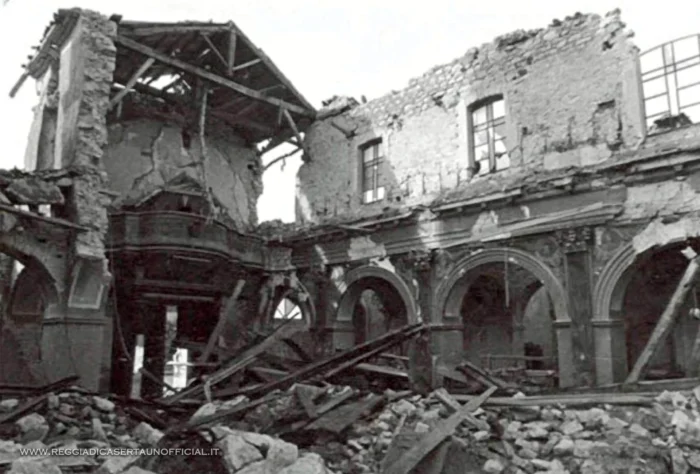
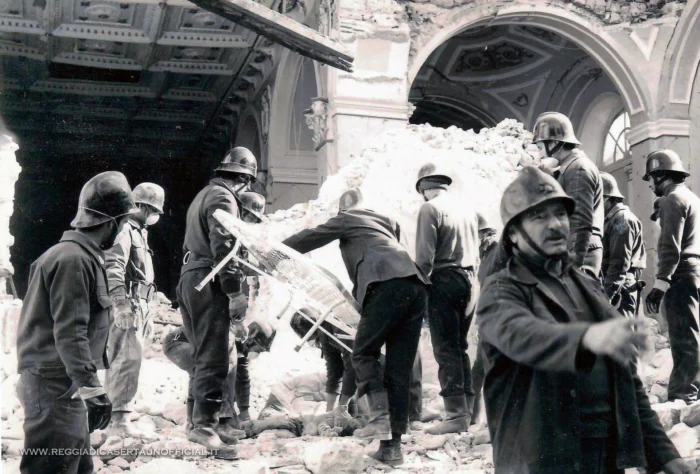
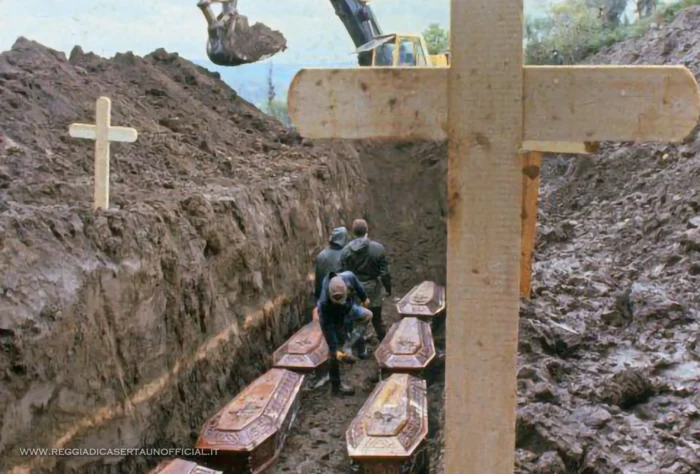
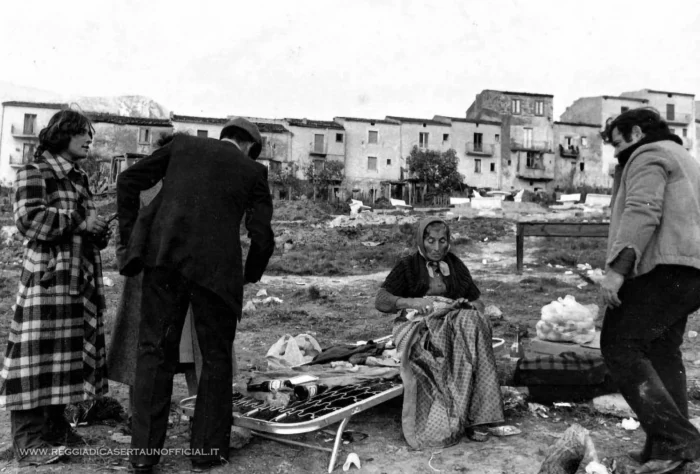
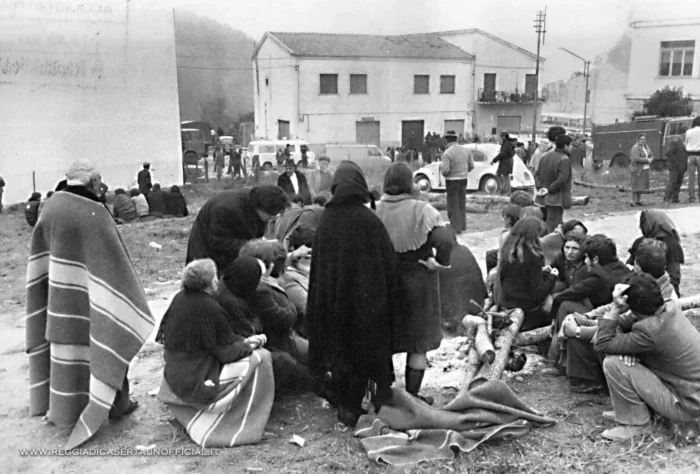
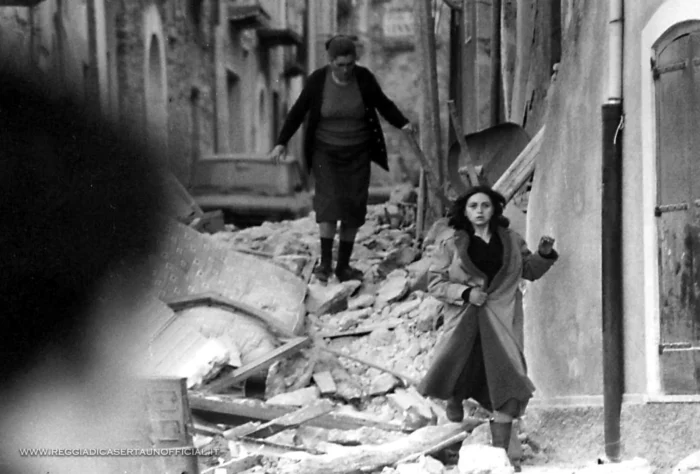
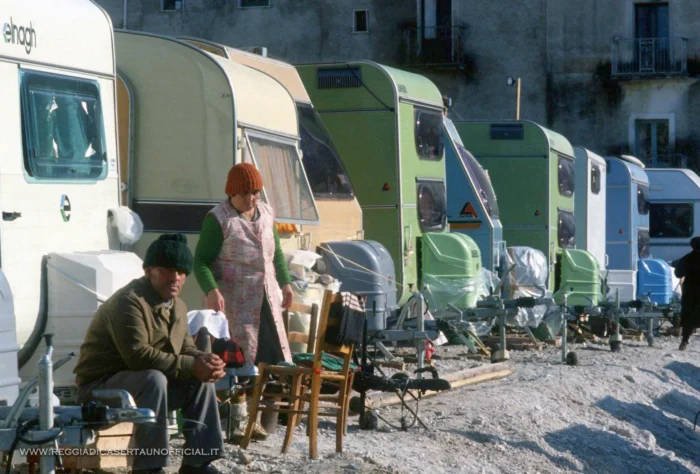
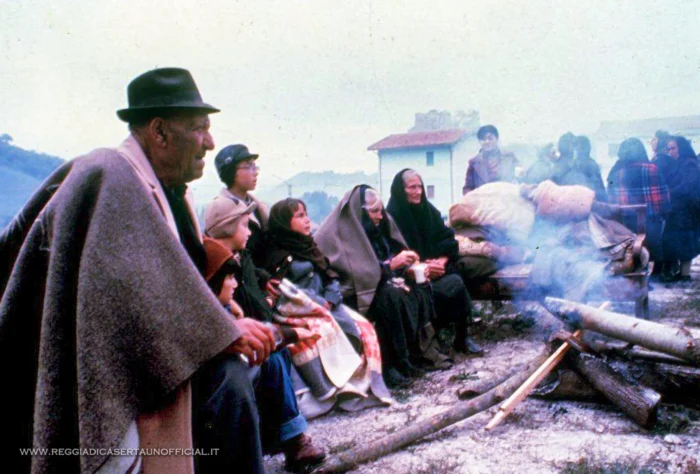
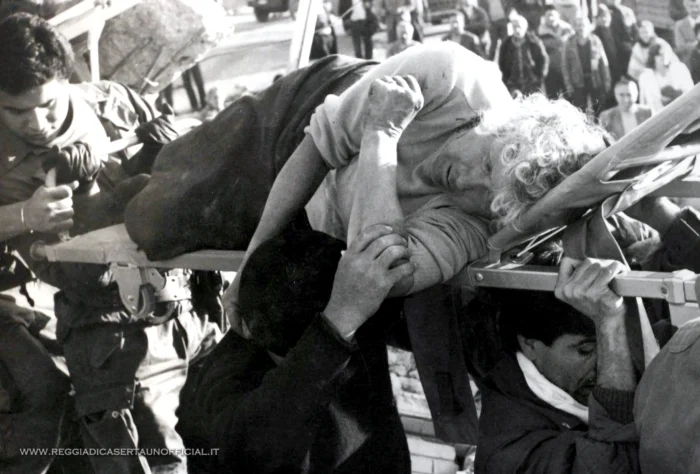
November 23, 1980, 7:35 PM. One of the most devastating earthquakes in Italian history struck Irpinia (in Campania) and Basilicata. The earthquake, measuring 6.8 on the Richter scale, resulted in approximately 3,000 deaths, 8,000 injuries, and left around 300,000 people homeless. Intense tremors lasted for over a minute, destroying entire densely populated areas in Irpinia and the provinces of Salerno and Potenza. Several towns near the epicenter—including Sant’Angelo dei Lombardi, Lioni, Conza della Campania, and Muro Lucano—were virtually leveled, while others suffered severe damage. The earthquake was so powerful that it was felt across Italy, from Sicily all the way to Emilia-Romagna.
Aftershocks continued for months, until another major earthquake struck on February 14, 1981—this time in the province of Naples.
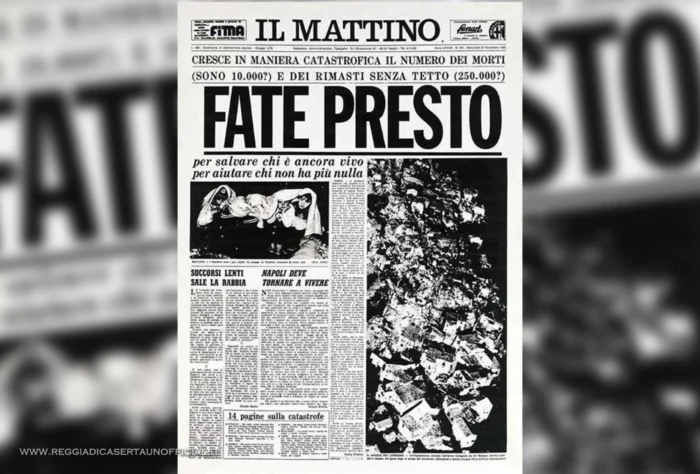
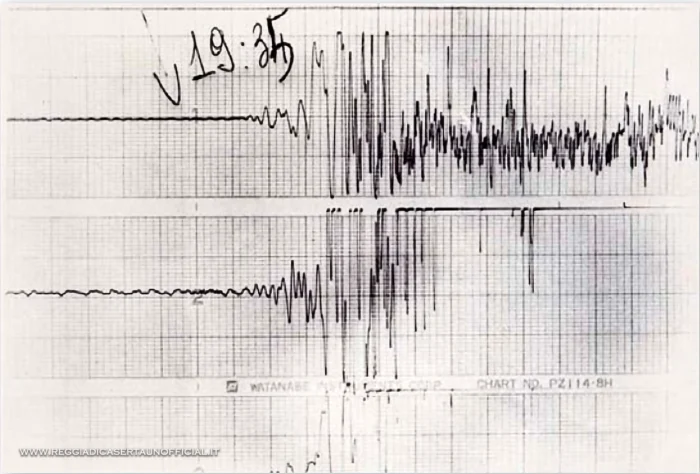
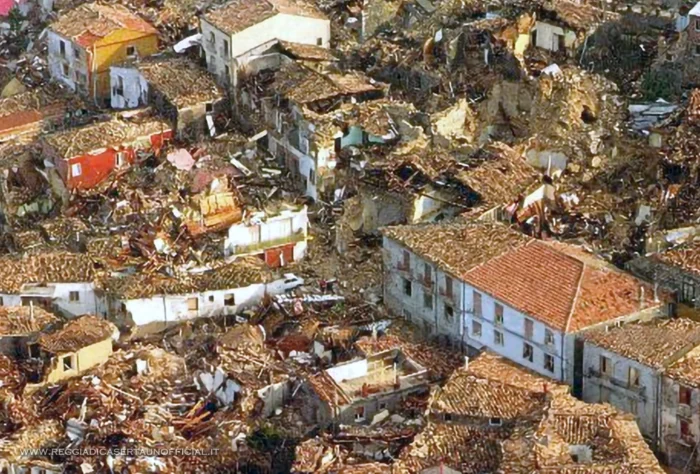
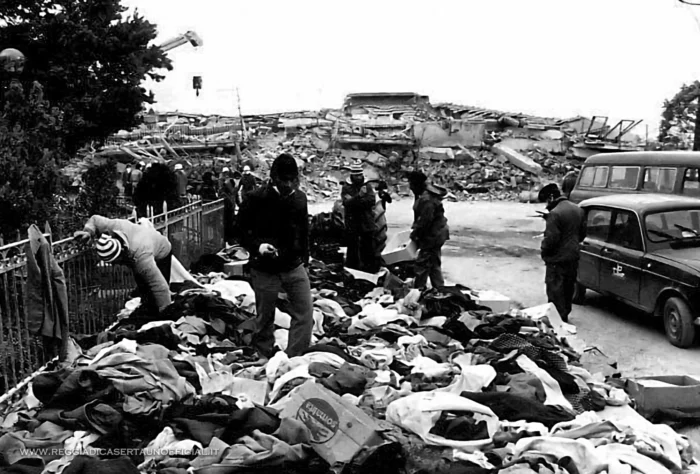
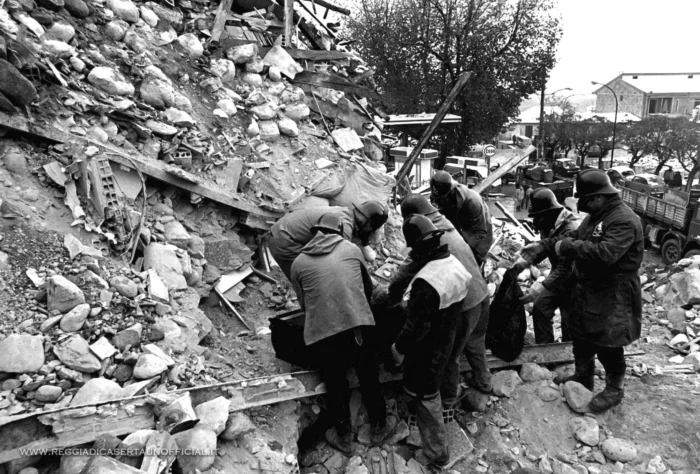
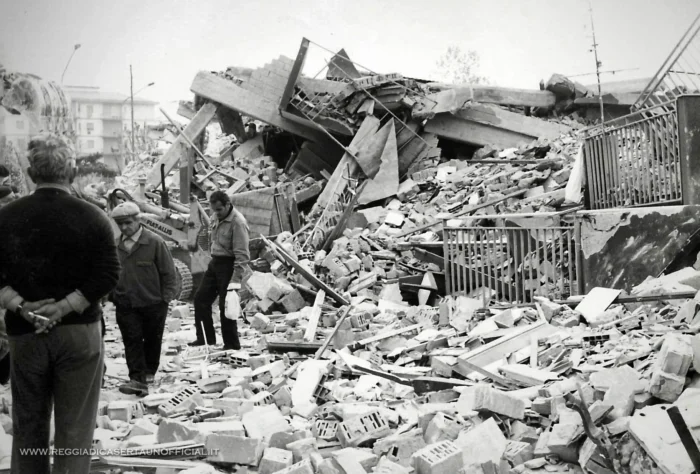
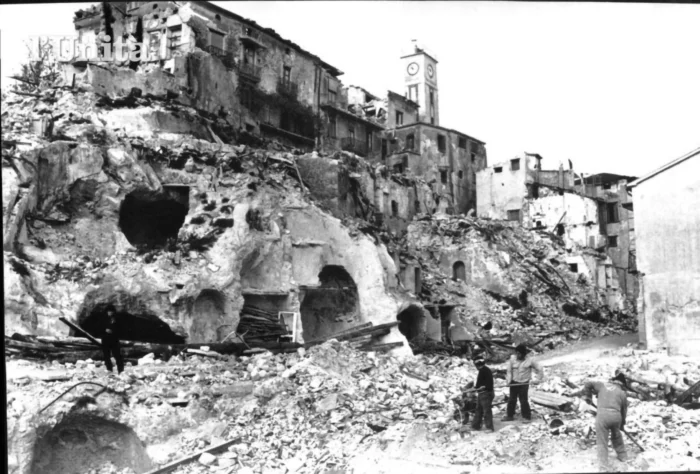
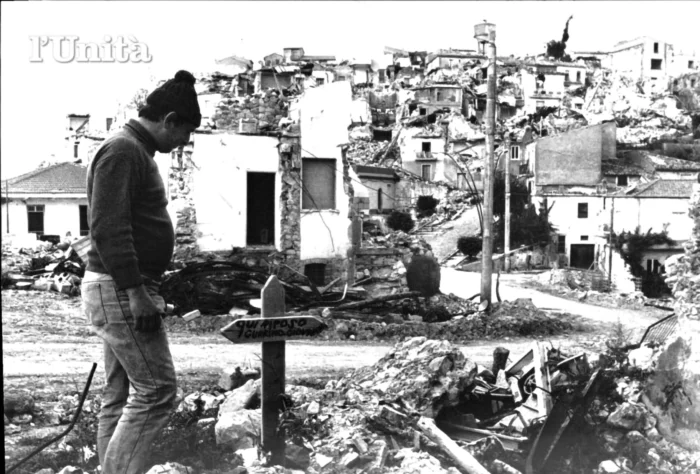
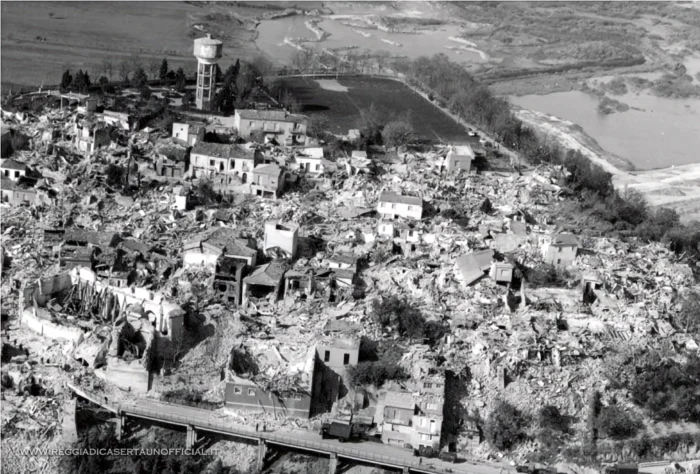
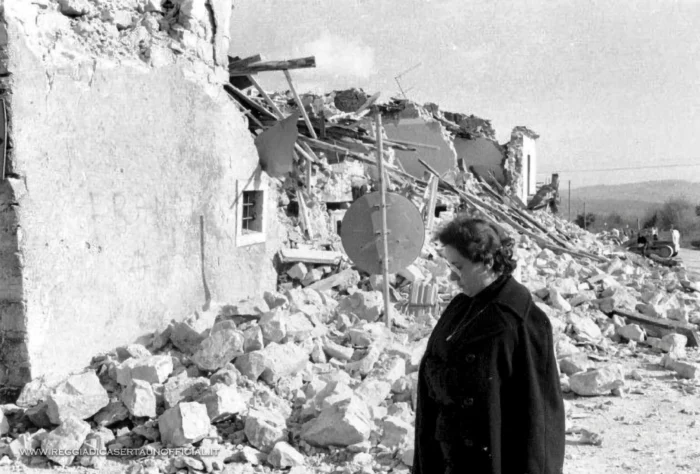
The consequences of the earthquake for people and the economy
- over 70 towns totally destroyed or severely damaged (those hit by tremors ranging from the eighth to the tenth degree of intensity);
- more than 200 towns with significant damage to the building stock (hit by tremors of the sixth and seventh degree);
- approximately 3,000 fatalities and about 10,000 injuries;
- more than 300,000 people left homeless, over 100,000 of whom were in the city of Naples alone;
- 40,000 people forced to emigrate;
- hundreds of small and medium-sized industrial facilities destroyed or damaged;
- thousands of jobs lost;
- families and business owners left destitute, with asset losses amounting to billions of euros.
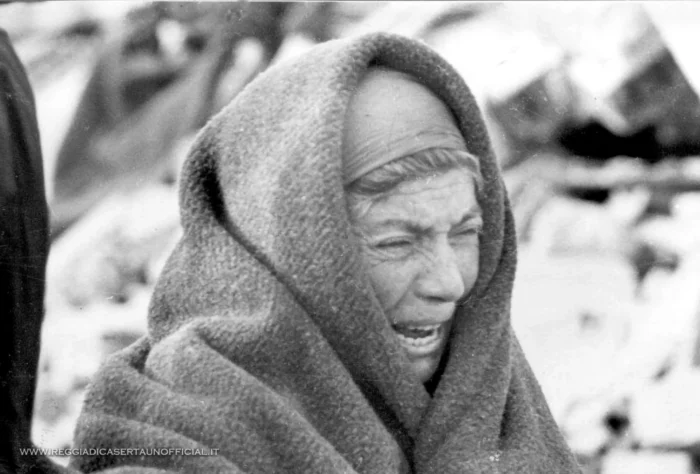
The consequences for artistic heritage
The earthquake of November 23, 1980, caused severe damage to the artistic heritage of Campania, affecting both famous monuments and numerous historical and artistic treasures across the affected areas. In Pompeii, damage worsened for structures and decorations already prone to deterioration, while in Naples, decorative cycles and artworks housed in grand Renaissance and Baroque churches were damaged. The impact extended to historic buildings and works of art in other parts of the region as well.
Losses were particularly severe in the towns of Irpinia, Sannio, the Salerno area, and the Nola district; the quake struck historic villages, churches, convents, frescoes, paintings, sculptures, and wooden furnishings—many of which were little-known and poorly documented. Alongside works by renowned artists such as Giovanni da Nola, Andrea da Salerno, Marco Pino, and Francesco Solimena, numerous examples of local figurative art and craftsmanship were lost or damaged. The earthquake thus highlighted the need to safeguard Campania’s entire historical and artistic heritage, ranging from the most famous monuments to the works that document the history and identity of the affected communities.